

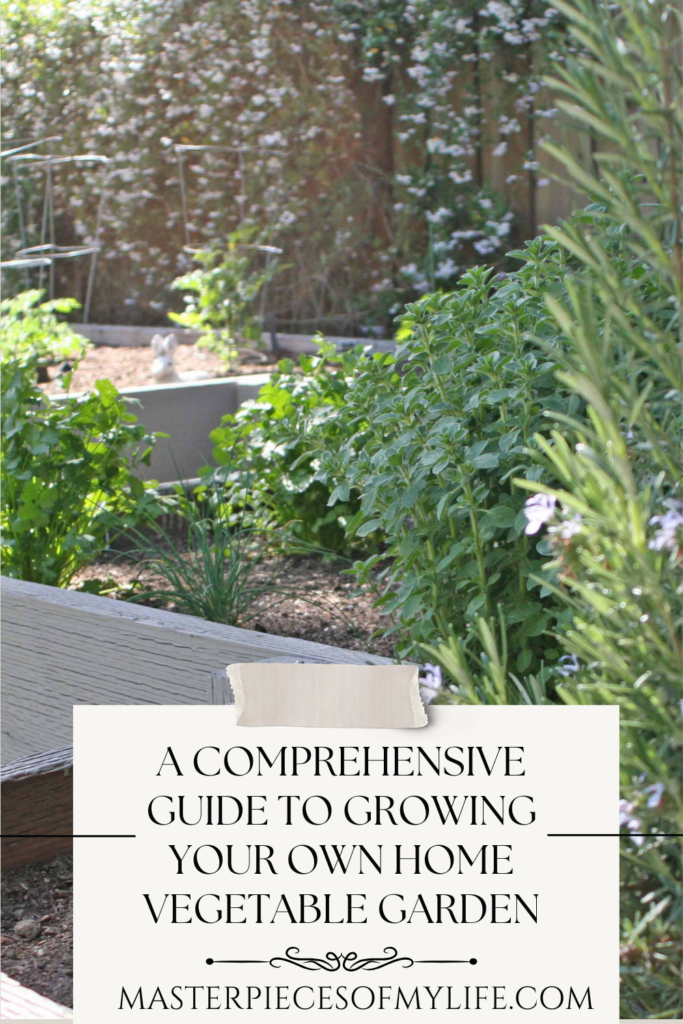
Have you ever considered growing your own vegetables at home? I’m here to encourage you and inspire you to grow your own edibles. This comprehensive guide will help and teach you all the ins and outs of growing your own home vegetable garden. It’s not as difficult as it might seem, and it’s oh, so very rewarding.

We’ve had our current vegetable garden for almost twenty years plus another five years in our previous home, and I’ve learned a ton. Let me share many of the techniques we’ve learned, and I’ll give you all my insider tips. Please join me in the garden.
Key Takeaways
Comprehensive Home Vegetable Garden Guide
> Reasons why a home vegetable garden is a good idea
> The what, when, where, why and how of a home vegetable garden
> Benefits of a home vegetable garden
*Affiliate links might be included for your convenience. These affiliate links mean a small commission is earned if you make a purchase using these links at no extra cost to you. As an Amazon Associate I earn from qualifying purchases which support this website. For more information: Full Disclosure Policy.
Why Plant a Vegetable Garden at Home
Growing your own food guarantees you know exactly where it comes from and how it’s treated. The yields taste infinitely better, plus they are environmentally and economically much more sustainable than buying store bought produce. Let’s head to the garden and dig deep into all you need to know about growing your own vegetable garden.
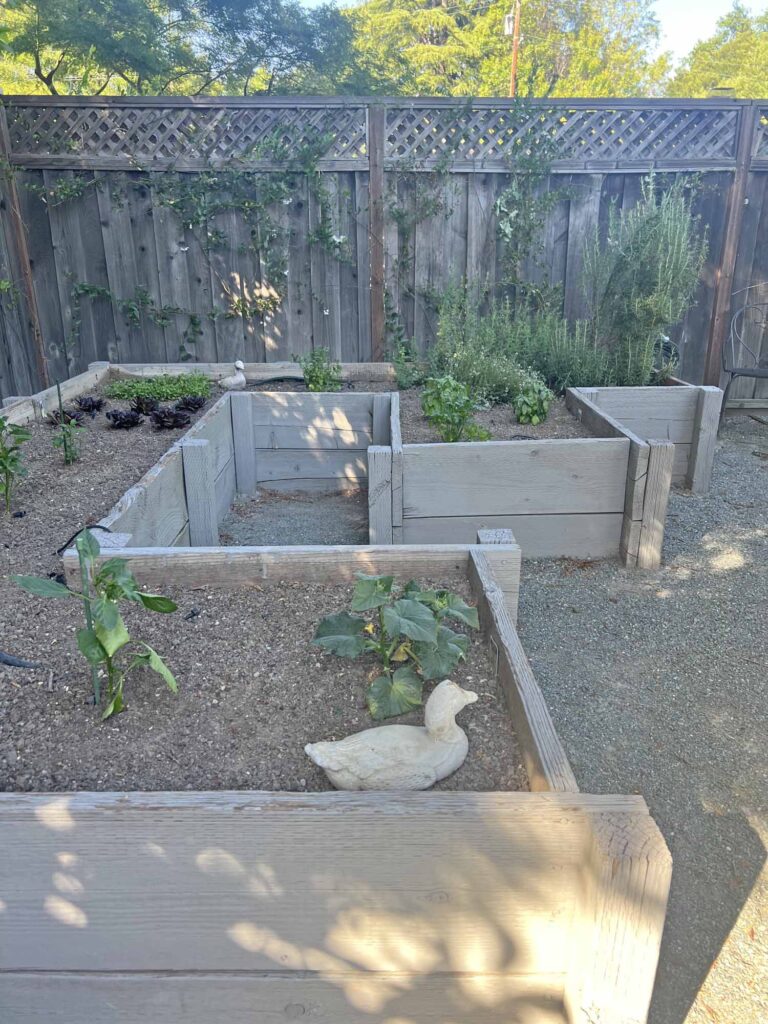
Where to Plant Your Vegetable Garden
Location
Look for a spot which gets plenty of sun. It’s recommended 6-8 hours of sun on a daily basis for a successful garden to thrive. Once you’ve determined your location, map it out to have a general idea of how much space you will allocate.
Soil
The foundation and a key component to any vegetable garden is the soil. You want to make sure your soil has plenty of nutrients. There a few different ways you can test your soil from in home kits to agencies where you can submit a sample which they analyze for you. Whatever nutrient level you have can be enriched with amendments.
Enclosure
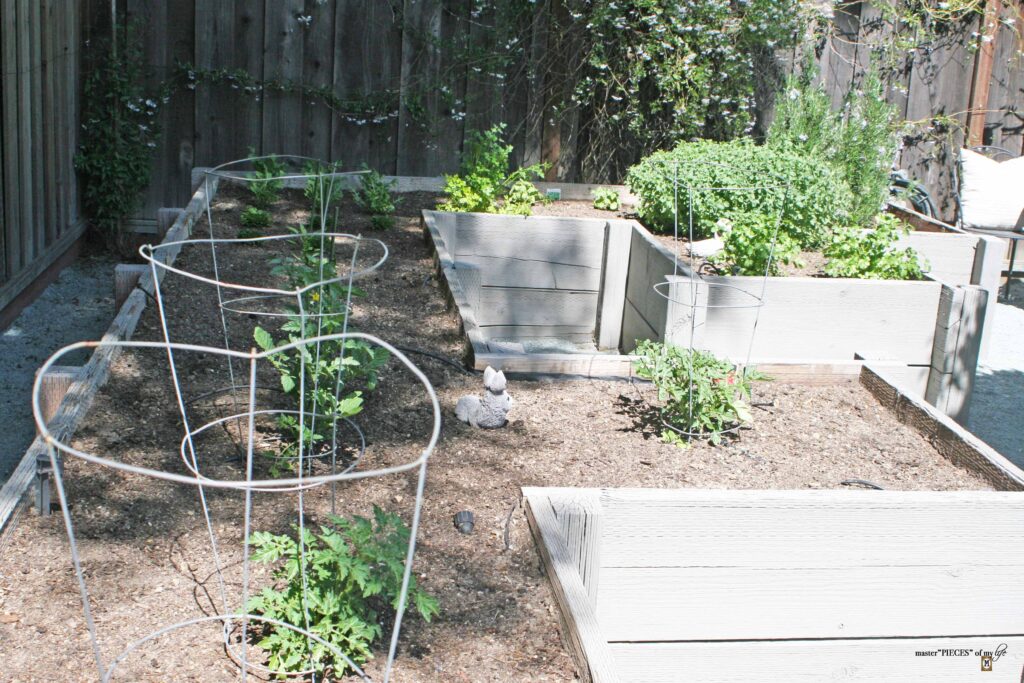
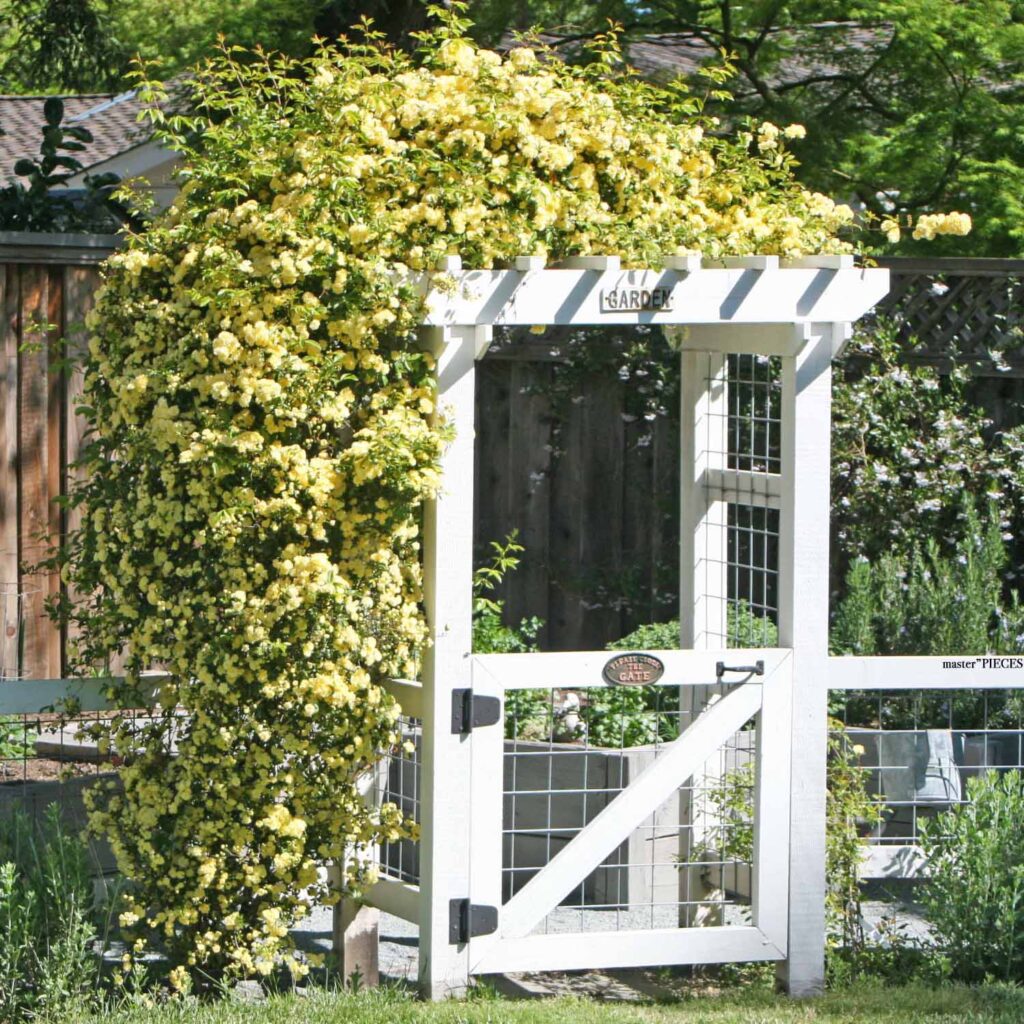
Depending on the location of your vegetable garden, it might require protection. Metal or wood enclosures help keep unwanted critters away. Also netting, garden cloches and cages protect plants from the elements.

MJ Gardening Pro Tip:
Before planting your vegetable garden each season, turn your soil and amend it to start off fresh, providing the best home for your vegetables.
How to Plant Your Vegetable Garden
Placement
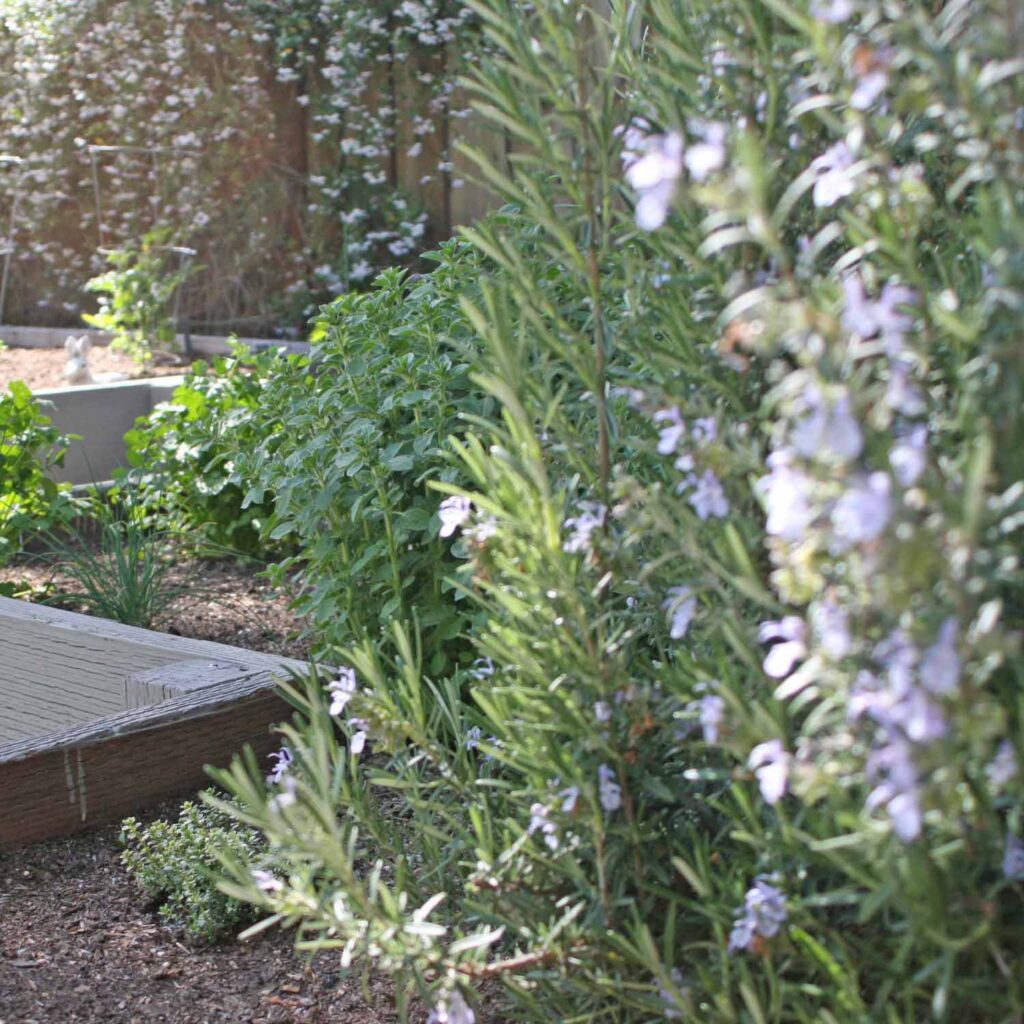
There are a few options on how to plant your garden, including in the ground, in raised beds or in containers. This can be determined by how much space you have, how much money you want to spend and how much effort you want to exert. Also determine placement by how much sunlight and water certain vegetables require.
Method
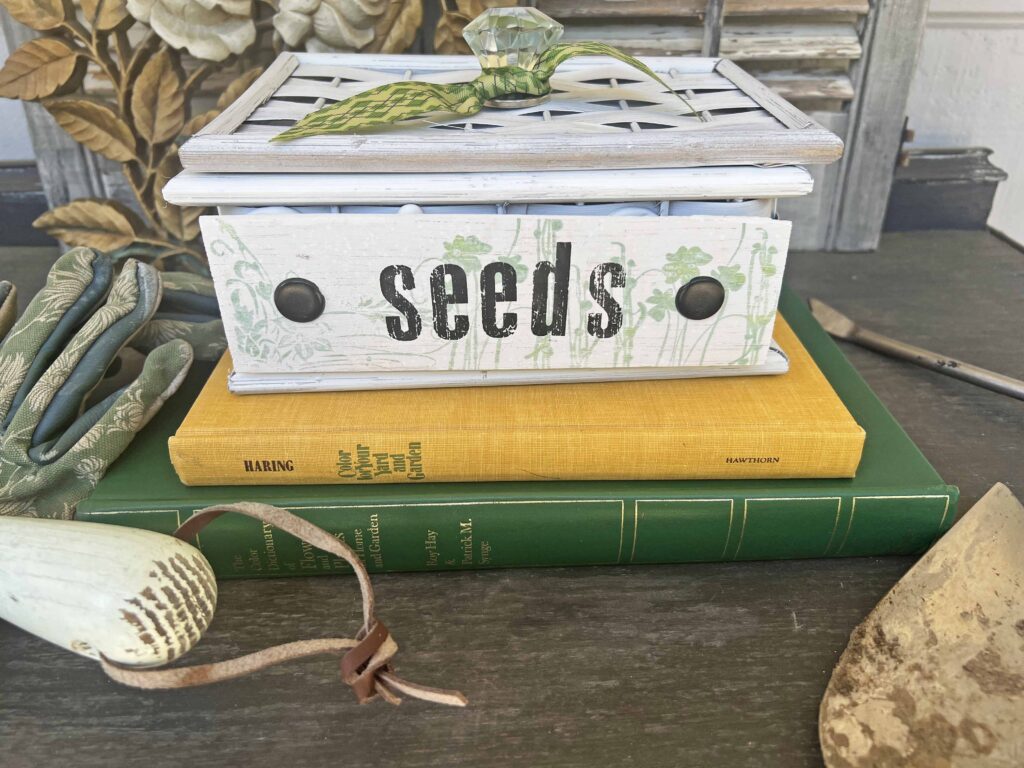
When you are ready to start planting you have a couple of options, including seeds or seedlings. Seeds require more planning, starting earlier. Seedlings are already started for you, which can be picked up at local garden centers and nurseries. Seeds are a more affordable option and offer more varieties, but require more work. Also don’t be fooled by the ease of seedlings, since they also require some maintenance as you plant them and acclimate them to your garden. You can’t simply plant and go.
MJ Insider Garden Tip
Local nurseries and garden centers will only have varieties, which can grow in your area. If you’re buying seeds from a catalog or mail order, make sure to confirm varieties can grow in your garden zone.
When to Plant Your Vegetable Garden
Climate
Where you live and the last frost date will determine when you should plant in your area. Also certain varieties can tolerate colder environments where others will not survive. Ask you local garden centers the best time for planning and consult the tags on seedlings and seed packets, depending on how you’re planting. Seeds can be started indoors and moved to final location when weather allows.
Seasonality
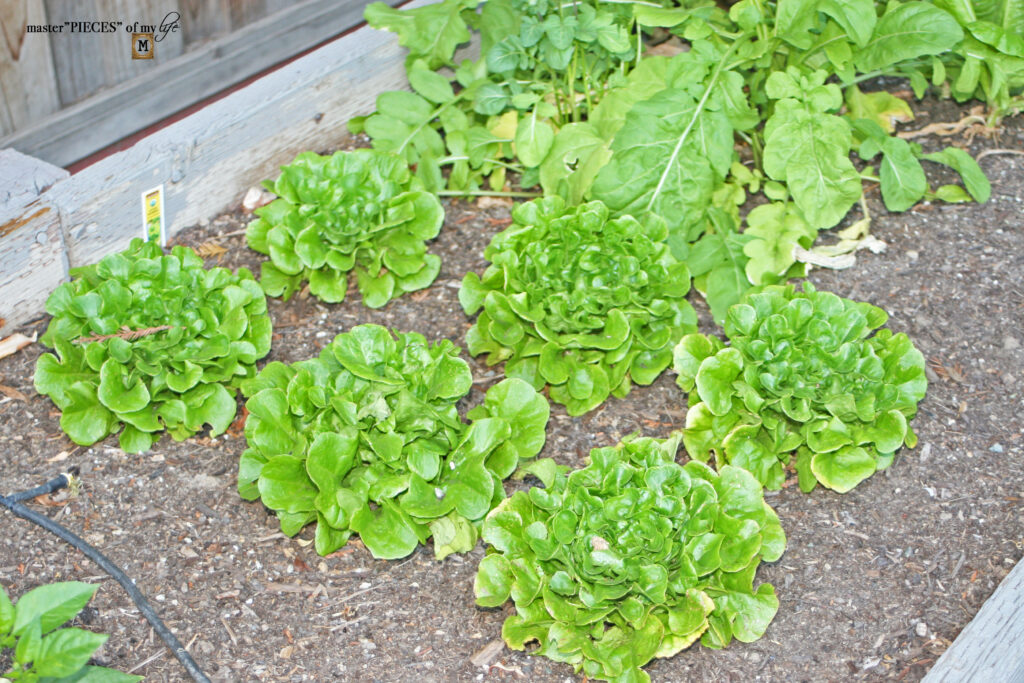
Certain edibles are better conditioned for different growing seasons. Most varieties thrive in the hot summer months, but keep in mind seasonality of some specimens. For example some lettuces do better in the cooler months towards the Fall season.

What to Plant In Your Vegetable Garden
Zone
Your garden zone will first and foremost dictate what you should grow and what thrives in your area. Lean into local gardeners and nurseries to learn what works best for your environment. That being said you can experiment, and sometimes we learn more by trial and error.
Preference
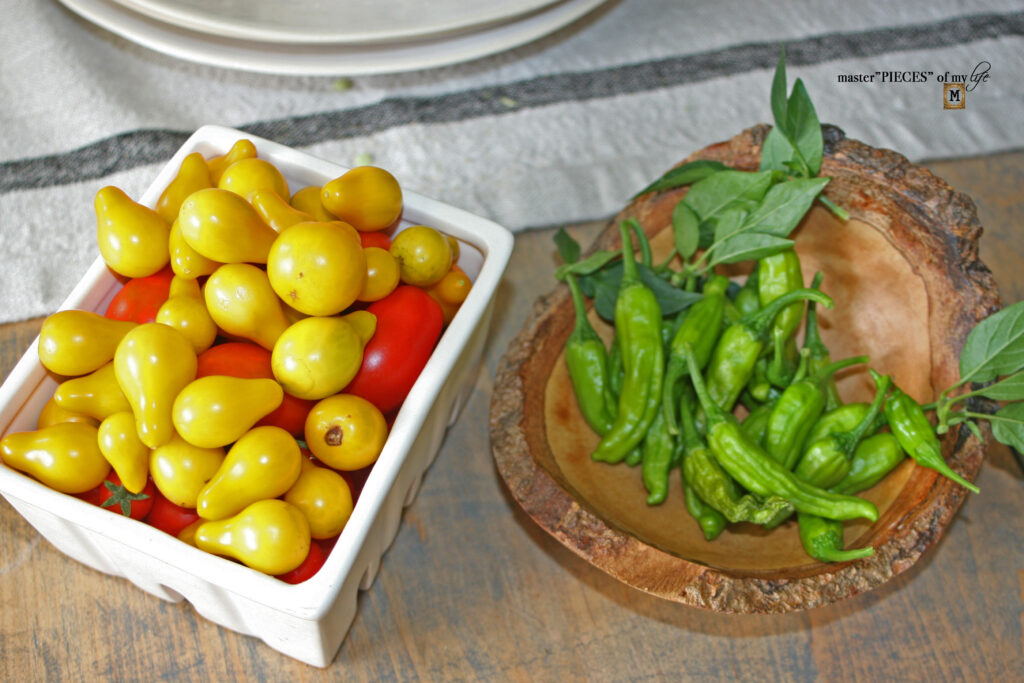
Once you know what selections do well in your area, choose and decide what you and your family would enjoy to eat. Once you have a list of your preferences maybe add one or two varieties, which might seem interesting.
MJ Insider Garden Tip
Experiment and plant a new variety each season. We have discovered some new specimens this way, as well as eliminated what doesn’t work for us.
Maintenance Guidelines for your Home Vegetable Garden
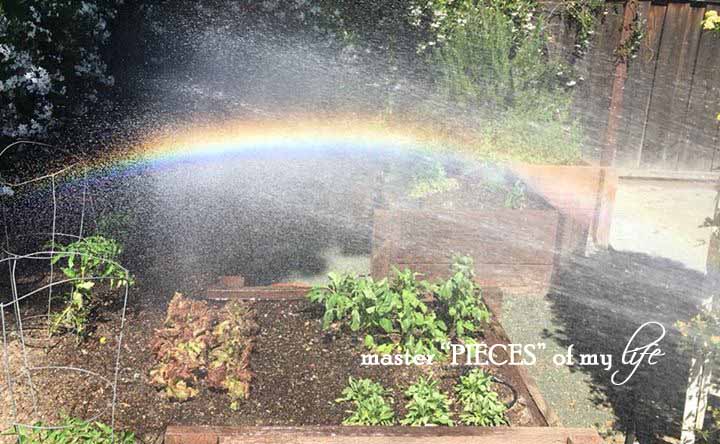
Once the vegetable garden is set-up there are some key things to keep it running at its best. Just like any living thing, a thriving vegetable garden requires the proper care and maintenance. If you nurture your garden properly it will repay you with delicious yields.
Harvesting Guidelines for your Home Vegetable Garden
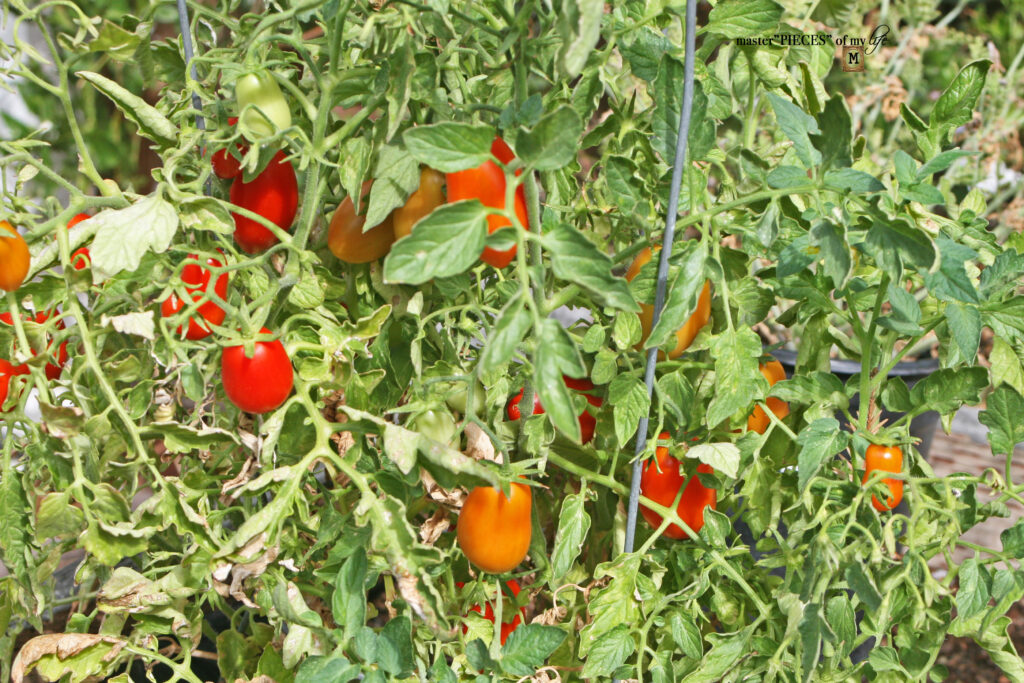
Keeping up with harvest will provide new growth. Harvesting vegetables at their peak provides the best flavor and texture. The shape, size and color should help you determine if a specimen is ready to be picked. Certain varieties like herbs, tomatoes and peppers will sprout flowers which is a good indication they are ready to be harvested.
Plant how you eat…
Grab a copy of my free
Vintage Home
Decor Guide
This guide provides 10 easy ideas to add timeless charm to your home with a free PDF full of images and inspiration.
We are always striving to master the art of joie de vivre around here. If you enjoy the good life and want a reflection of this in your home, please consider joining the Masterpiece community. Sign up you won’t miss any new content, receiving all new posts directly into your in-box.
Are you wondering right about now…
Why do I need A Vegetable Garden in my life?
Closing Thoughts ~ Home Vegetable Garden Guide Conclusion
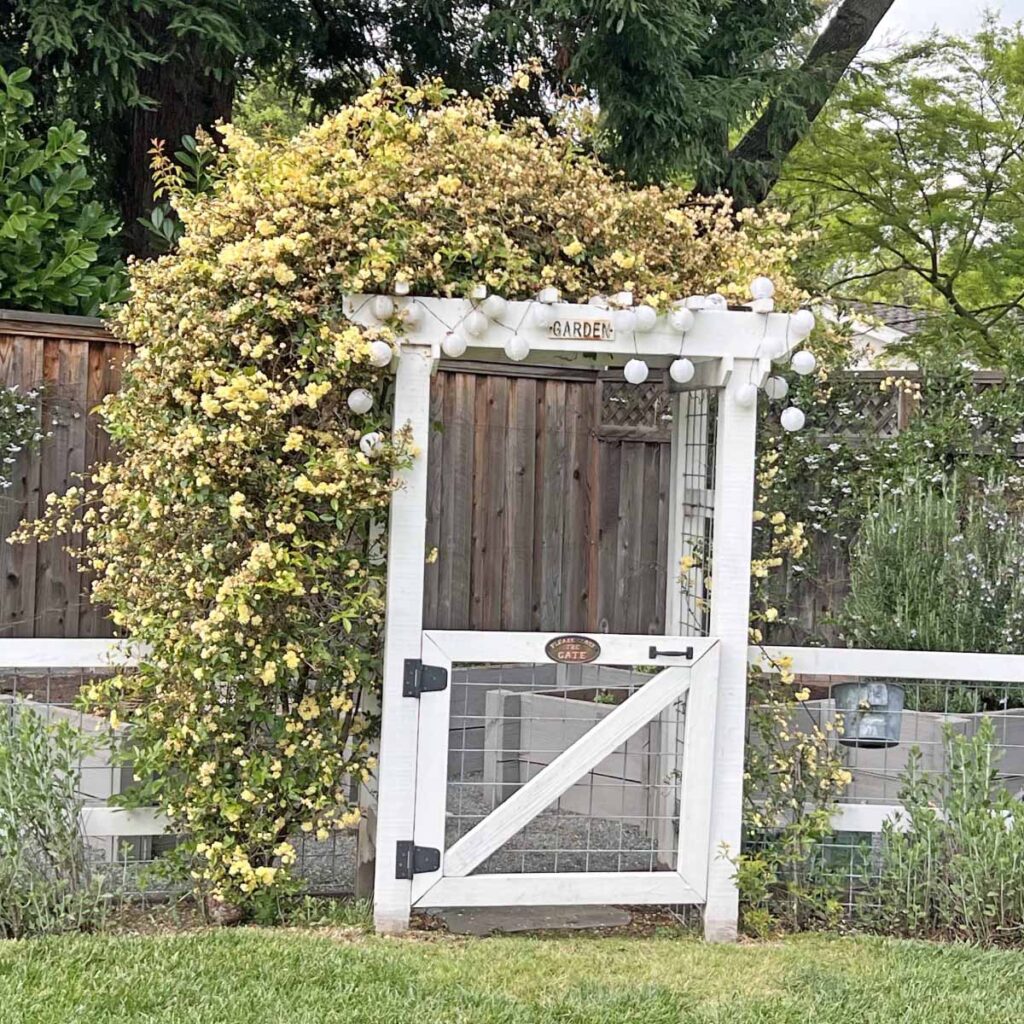
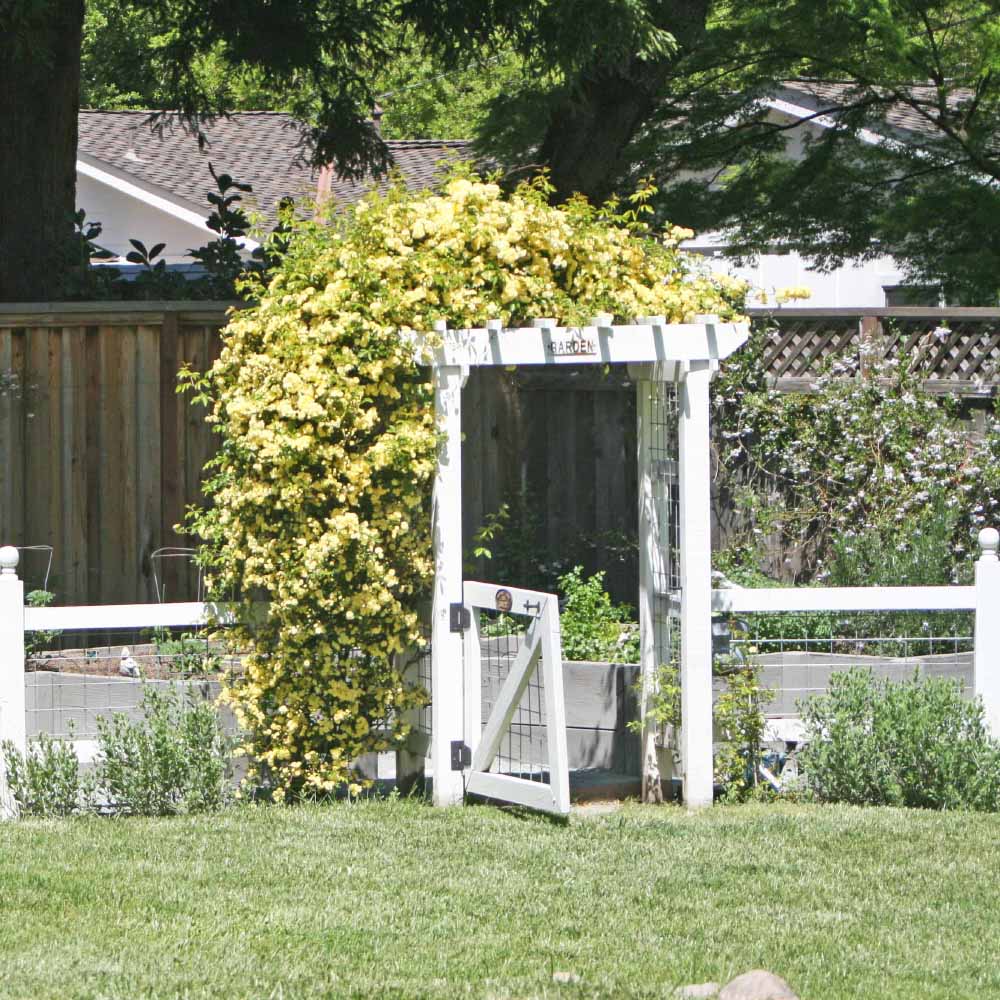
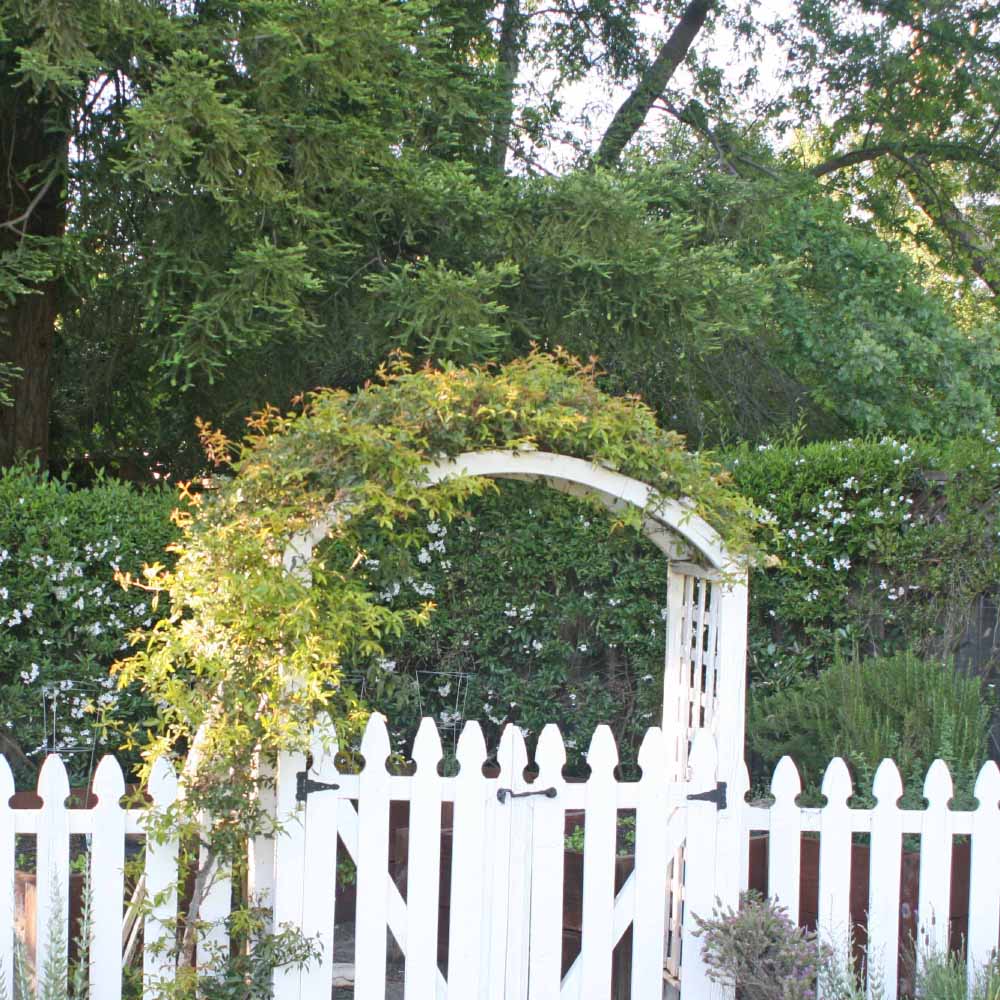
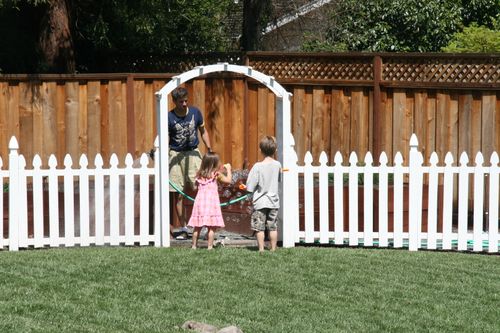
I hope this inspires and helps you plant your own vegetable garden. We’ve had a vegetable garden for almost 25 years between our previous home and our current garden. For funnies you can compare the garden from when we established it to current day. We have replaced the fence, stained the raised beds, added a bistro sitting area, and more. See those littles below? They were 3 and 5 years old when we moved in, and they are now 21 and 24 respectively. Time flies when you’re having fun.
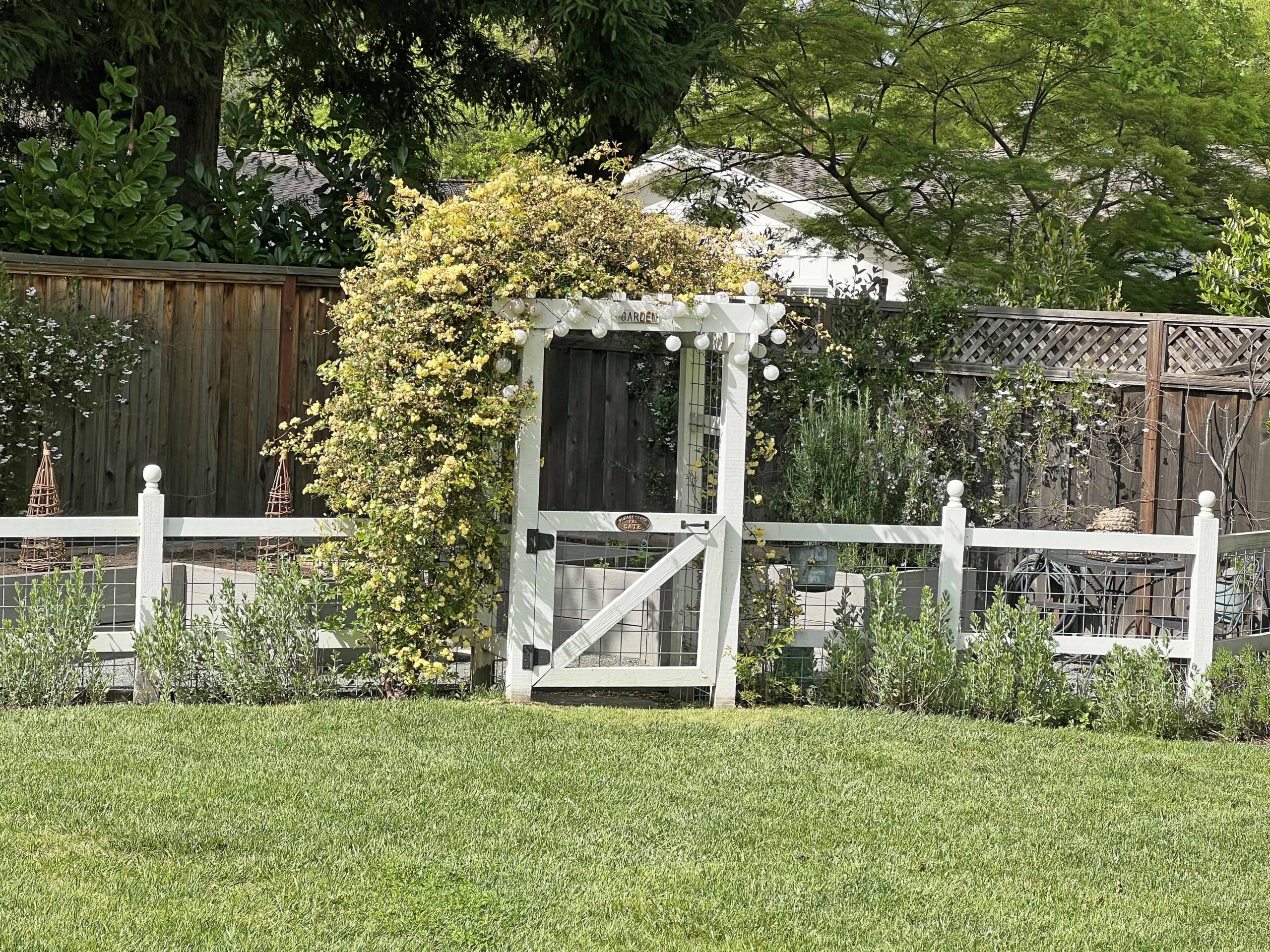
Here are a couple of posts with a ton more information about our particular vegetable garden, and how we’ve maintained it through the years.
Thanks for dropping by today and can’t wait to see you next time.
Au Revoir!


FAQs – Home Vegetable Garden Comprehensive Guide
Q1. How much space do I need to start a vegetable garden?
A1. That depends on how much space you have and how much work you plan to do. You can plant containers on a small balcony or veranda. You can also dedicate a large space in your yard or build raised beds in a dedicated area allocating as much space as you want. Start small and you can always grow the space if needed.
Q2. Is a home vegetable garden expensive to create?
A2. The cost of a vegetable garden varies widely depending on your materials and ambitions. A small container garden will be the most inexpensive while dedicate raised beds will have the most start-up costs. Depending on how ambitious you are, it could range from as little as $200 to as much as $3000. Do your homework and research materials before you begin the process to determine your budget. Eventually you will save money with homegrown edibles rather than store bought selections.
Q3. What are the easiest vegetable varieties to grow at home?
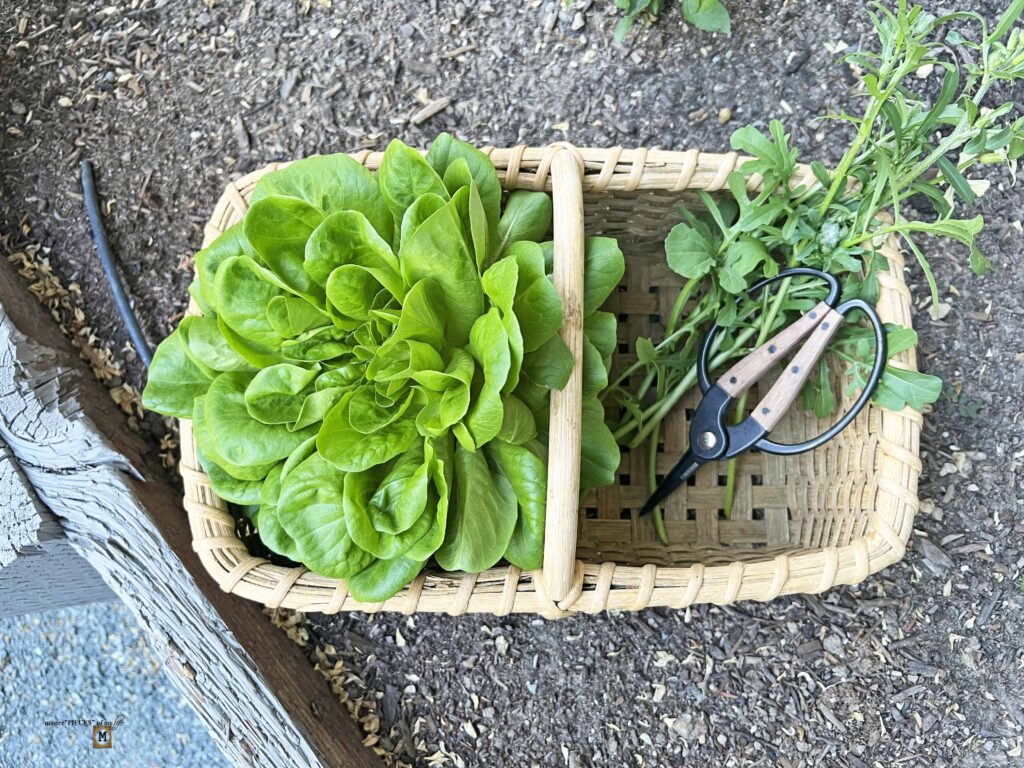
A3. Leafy greens and herbs is a great place to start. From there small tomato varieties and radishes are also great options. Talk to local gardeners and nurseries to find the best and easiest selections for your area.
Shop the Look
- This is a comprehensive drip irrigation system kit.
- This is a good herb planting kit.
- This looks like a great greens seeds mix.
- This tomato seed collection looks amazing.
- If you’re just starting out with gardening or need to replace your tools this is a great kit.
- If you want to start from seed inside, these peat pots are a good choice and so are these.
- These raised beds would be great for a patio or smaller space.
- I love the galvanized raised bed look and I would consider it if we were just building our garden.
- I love the cottage vibes of these raised beds.
Don’t forget to Pin It and save for later. You never know when inspiration will strike!
For more inspiration follow me on Pinterest.

Most Recent Posts
My garden is my most beautiful masterpiece”
Claude monet

My happy place!
Yes the best!!! XOXO
My favorite garden!! So beautiful and looks delish!!
Thanks you baby girl! You’ll enjoy it soon enough. XOXO
Your garden looks fantastic and what great advice. I am growing some veggies in my garden and they seem to be doing well so far!
Thanks so much Kim. What veggies are you growing and where do you live? Enjoy them. It’s the best to eat what you’ve grown yourself. XO- MJ
Excellent guide for gardening enthusiasts. The practical tips make starting and maintaining a productive vegetable garden much easier.
“azure data engineering course in hyderabad with
placement”
azure data engineering training in hyderabad
best azure data engineering institute in hyderabad
This was a handy breakdown for somebody new to gardening. It can probably seem very daunting for those who have had no experience growing things before. I just started a brand new garden this spring since I recently moved to a new home. Sharing my garden updates over on my blog. I look forward to checking out more of your garden posts too.
Thanks Char. How exciting to be planting a new garden! I’ll hop over and give you a visit. Thanks for stopping by. XO- MJ
I love what you’ve done here–those beds are wonderful! We haven’t yet figured out how to garden much in the current house we’re in, but we’re making slow progress. I wish we had something like this. Maybe in our side yard… 🙂 Thanks for sharing this with us at the Will Blog for Comments #86 linkup. Wishing you a lovely week to come. Hope to see you at #87 which opens next Monday morning.