

Are you familiar with the term French Potager? The traditional potager (pronounced po-tah-zhay) garden is a seasonal kitchen garden with vegetables, fruit, herbs, and flowers for cutting. You can create a kitchen garden which is large or small, but the key to a French potager garden is the design and intention behind it. A French potager garden treats the garden as a living work of art.
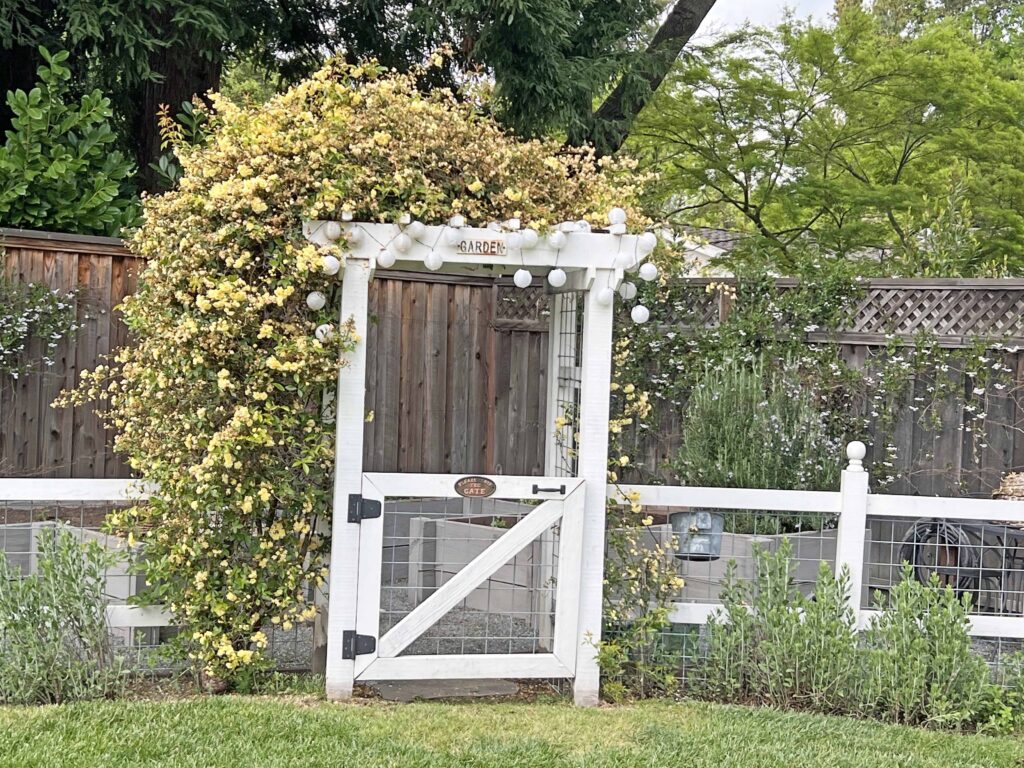
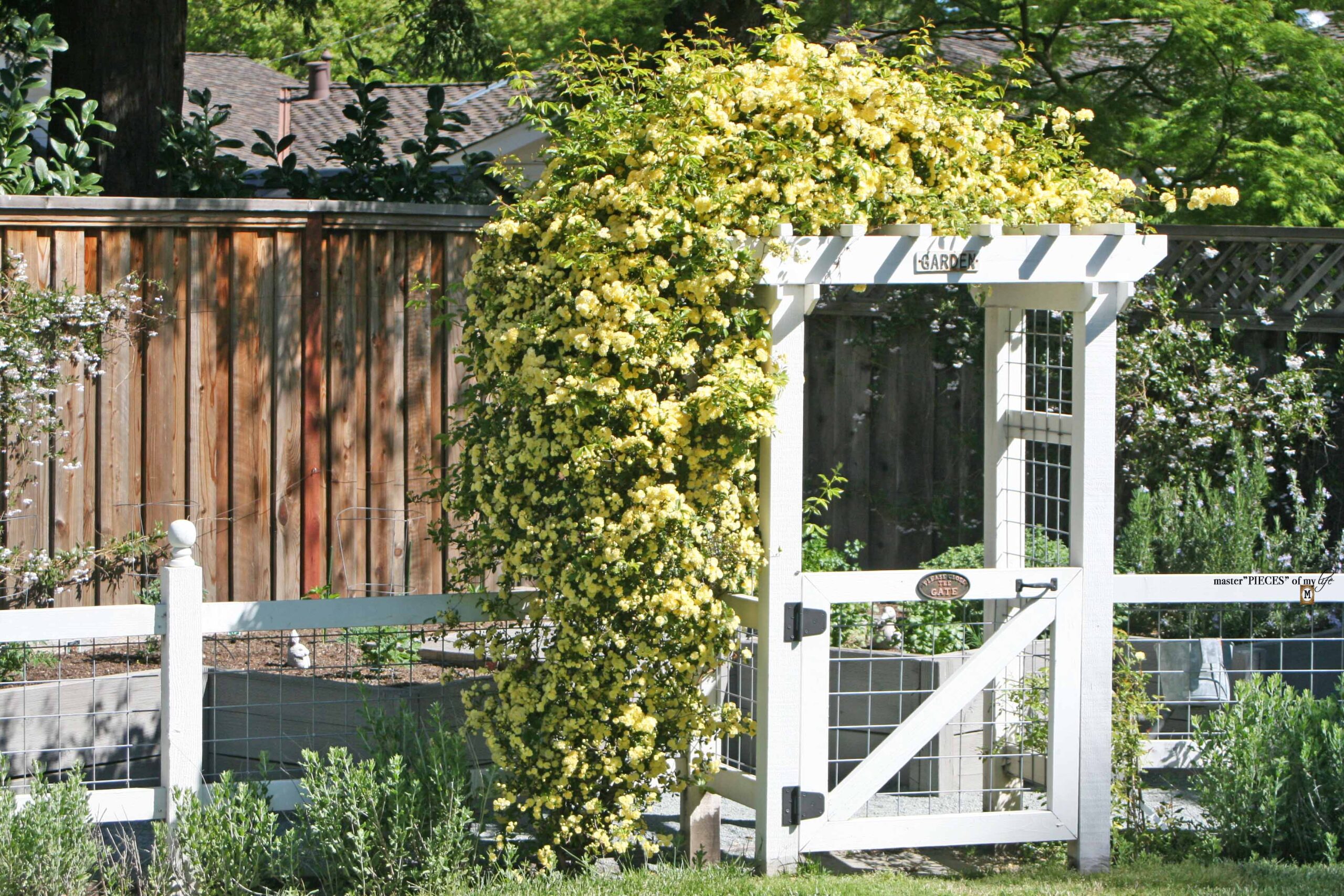
Our vegetable garden design follows the philosophies of a traditional potager in a California suburban residence. Although French kitchen gardens tend to be expansive, do not be deterred. A potager garden can be scaled to almost any size with attention to detail and design.
*Affiliate links might be included for your convenience. These affiliate links mean a small commission is earned if you make a purchase using these links at no extra cost to you. As an Amazon Associate I earn from qualifying purchases which support this website. For more information: Full Disclosure Policy.
Key Take Aways
Complete Guide to a French Potager Garden
Potager Garden Design Guidelines
Step by Step Instructions
Potager Garden Planting Varieties
Maintenance Tips for Kitchen Garden
What is a French Potager Garden?
The word potager comes from the French term jardin potager, meaning “kitchen garden” or literally a garden that provides ingredients for potage, meaning a hearty French soup. While its roots stretch back to medieval monastery gardens, the potager was elevated to an art form in 16th and 17th century France, most famously at the Château de Villandry in the Loire Valley, where an entire estate garden was devoted to the breathtaking combination of ornamental and edible planting. Today, that tradition lives on in gardens large and small all over the world.
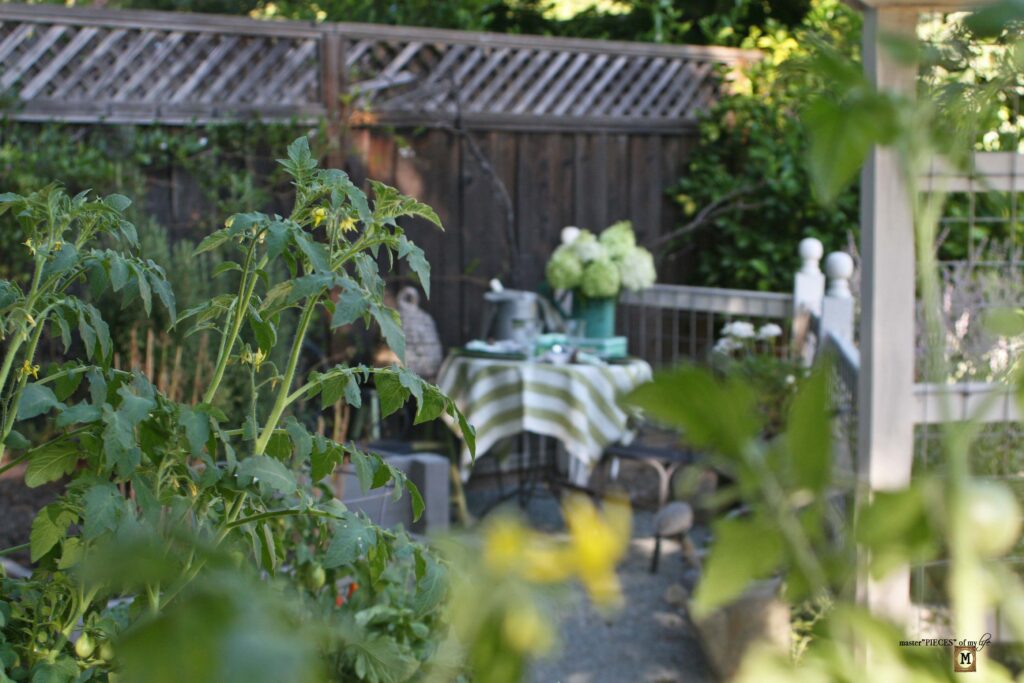
There is something undeniably romantic about a French potager garden. Neat geometric beds overflowing with ruby-red tomatoes, silvery lavender, and trailing plants. The beauty of function and fancy is always a favorite around here. Harvesting from the vegetable garden not only nourishes our bodies but it also nourishes our souls. The intentional vegetable garden design provides an experience beyond growing food, but rather gives us a place to slow down, breathe deeply and linger longer.
How to Plan a Potager Garden
Today, a French-style garden is typically a productive vegetable garden, emphasizing symmetry, elegance, and coordinating colors and textures of the plants. Few gardens can match the elegant grace of the French kitchen garden or potager. The main design goal is for the garden to look organized and strategic, mixing style with sustainability and using an intentional color palette.
Location
Potager gardens combine beauty and accessibility. As a culinary garden, closeness to the kitchen is key. Other key considerations are sunlight, access to water, drainage, and soil conditions. Weigh all these consideration when determining where to strategically place your kitchen garden.
Size
This is mainly determined by your personal property and how much space you want to allocate. Remember start small and you can always scale up. The nature of these gardens is that they are ever evolving through the seasons and through the years.
Layout
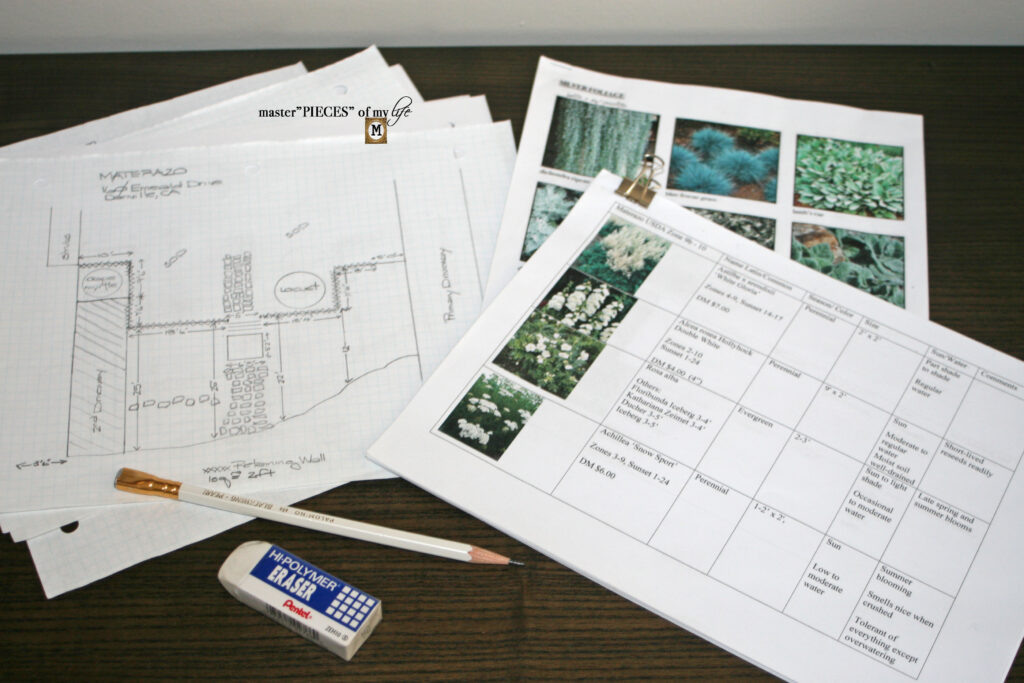
Sketch the design on paper and then lay it out on the soil using string or an eco-friendly marking paint to draw it out. Start in the center and work toward the outside borders, maintaining your desired boundaries. Follow a pleasing symmetrical and geometrical design. There are free design tools on-line if you need help, or lean into AI to help you.
Bed Planning
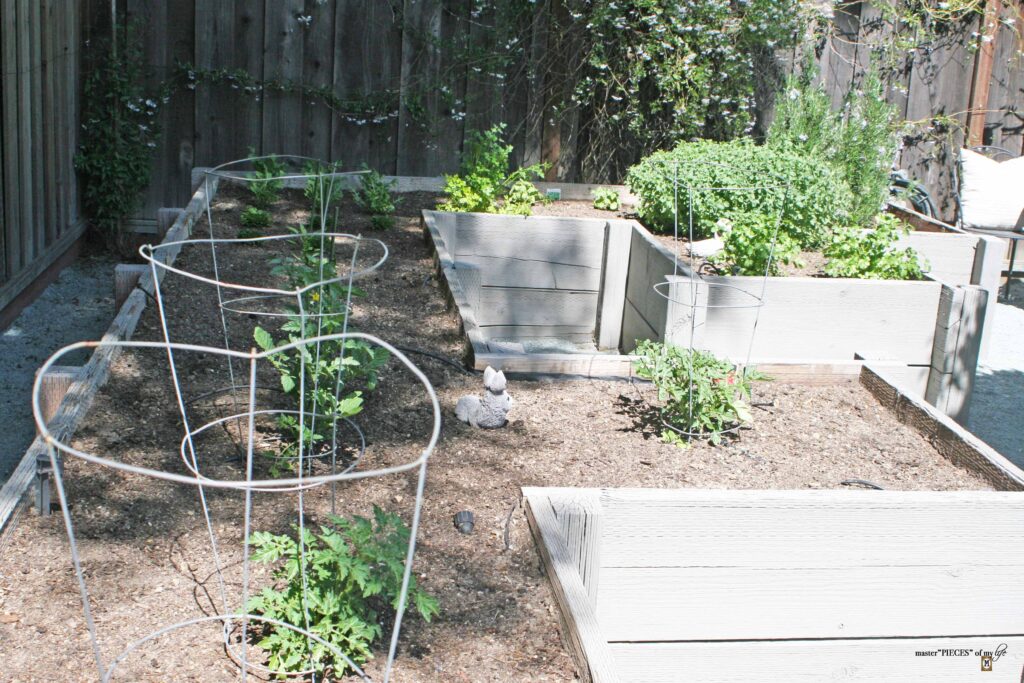
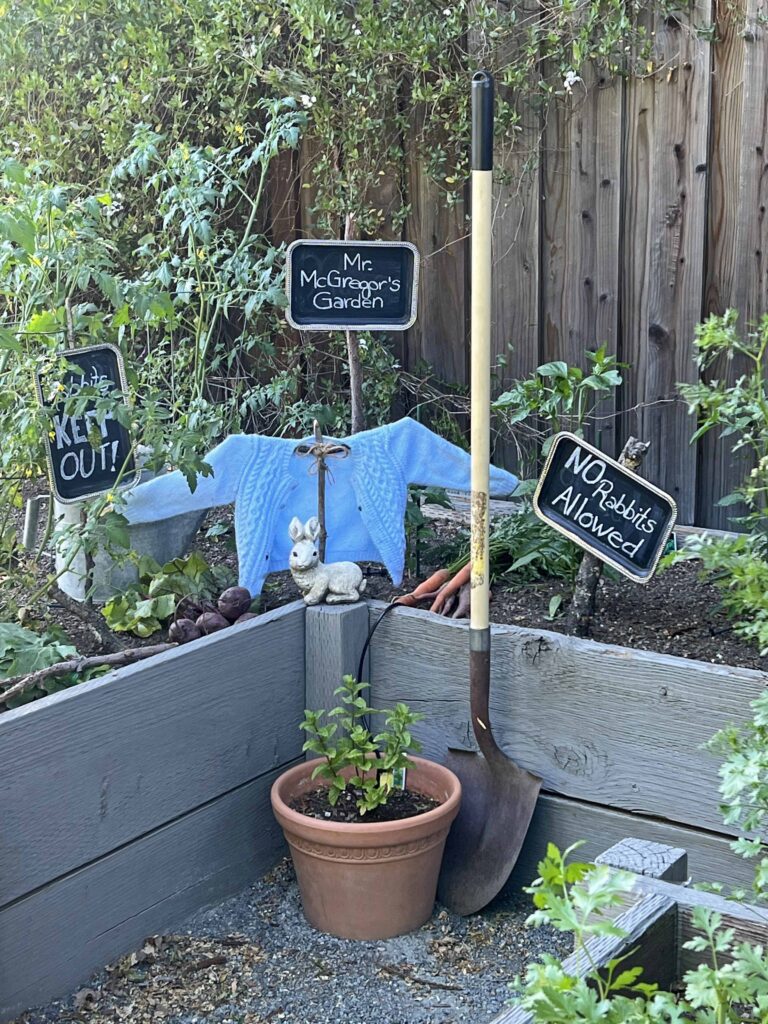
This is a big consideration, but choose if you want to incorporate your beds in the ground or if you want to use raised beds. We opted for raised beds for a number of reasons. The Northern California soil is clay-like and can be hard to work with. The raised beds are easier on the body and facilitate the process of amending the soil, maintaining the irrigation system, planting specimens and harvesting yields.
Color Palette
Choose a color palette, which is esthetically pleasing. In doing so balance the edible varieties with the ornamental plants to create a garden masterpiece.
Seating
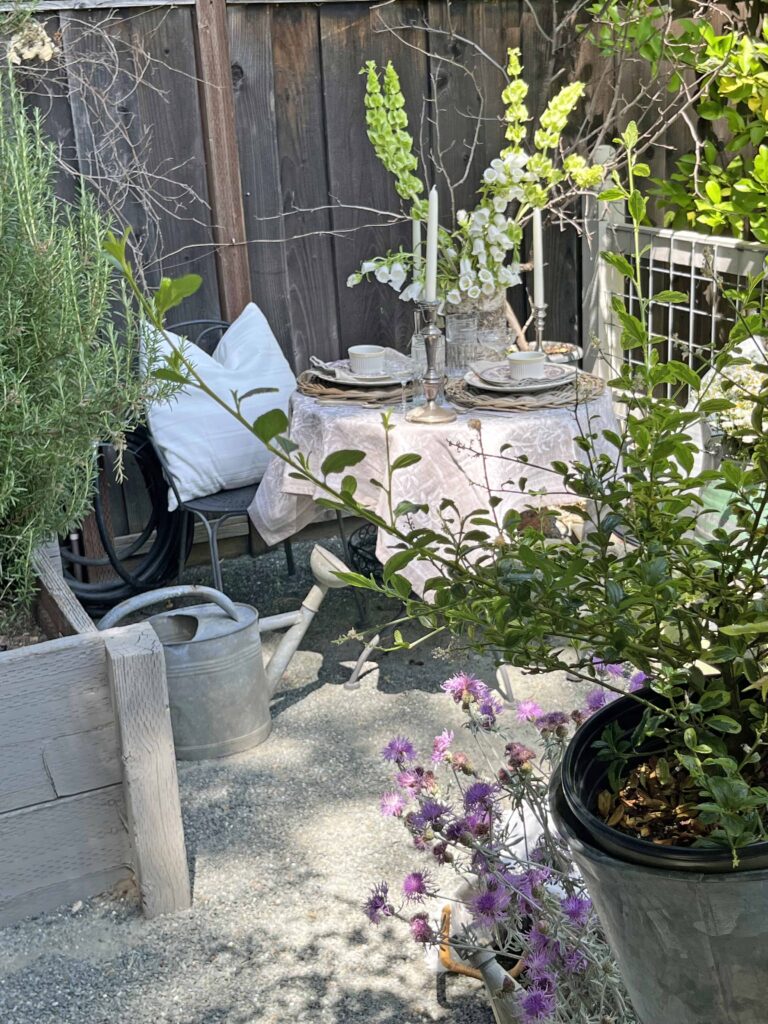
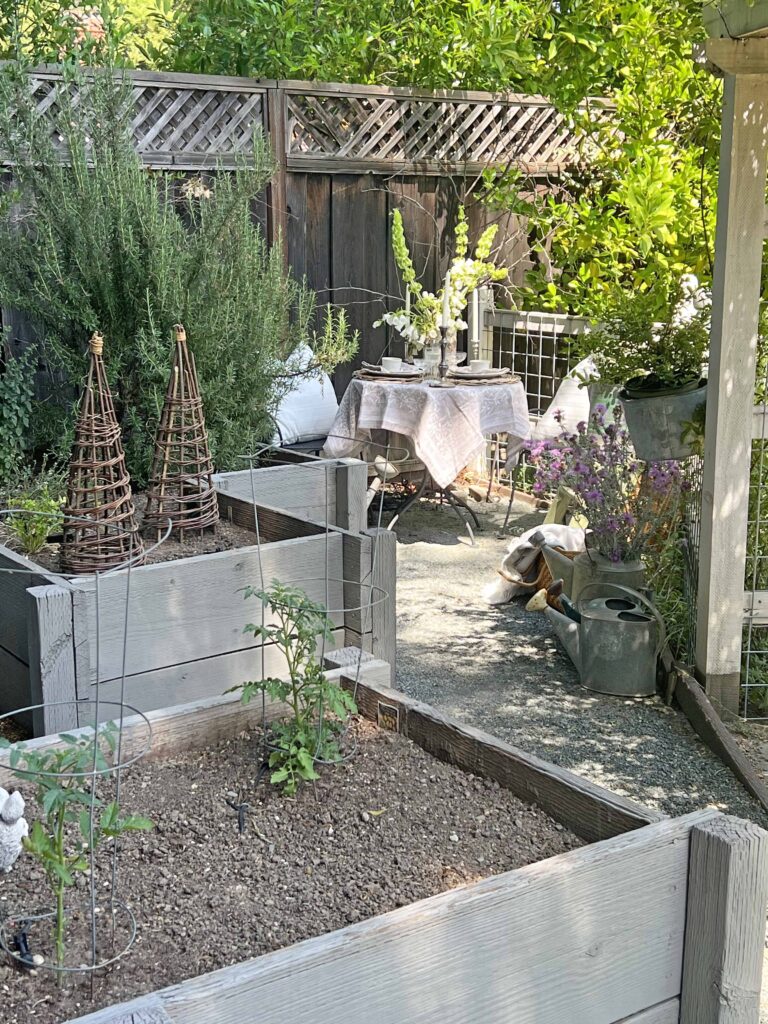
While not totally necessary, it is a great idea to incorporate a spot to sit, relax and fully enjoy the potager. If you have limited space, be creative. Maybe add a tree stump or a circular bench which can wrap around a tree trunk. Adding a bistro set to the corner of our kitchen garden was one of the best things we did, allowing us to fully enjoy the space. We treat the space as an area of restoration, relaxation and refuge.
What We Plant in our Potager Garden

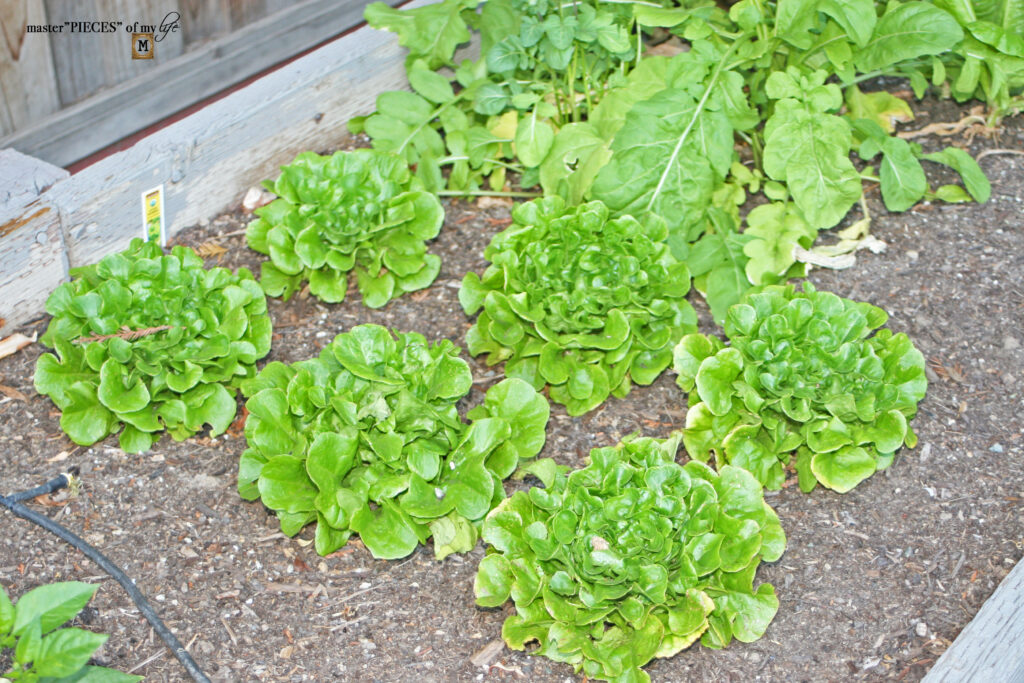
Vegetables
Other Vegetable Options: Heirloom Tomatoes, Cucumbers, Bell Peppers, Zucchini, Squash, String Beans…
Herbs
Other Herb Options: Chinese Parsley, Marjoram, Dill, Tarragon, Sage…
Fruits
Other Fruit Options: Oranges, Figs, Berries…
Flowers
Other Flower Options: Rose Trees, Nasturtium, Chamomile, Squash Blossoms, Violets…
Ornamental Species
Potagers are known for their design, which lends itself to plants which can be trailed, shaped and formed. Boxwood hedges, topiary varieties and climbing vines are popular choices.
Maintaining a Kitchen Garden
Once the potager garden is set-up there are some key things to keep it running at its best. To maintain the clean and meticulous look, strategic planning is required.
Grab a copy of my free
Vintage Home
Decor Guide
This guide provides 10 easy ideas to add timeless charm to your home with a free PDF full of images and inspiration.
We are always striving to master the art of joie de vivre around here. If you enjoy the good life and want a reflection of this in your home, please consider joining the Masterpiece community. Sign up you won’t miss any new content, receiving all new posts directly into your in-box.
Joie de vivre, which means “the joy of living” in French is often used to describe people who enjoy life cheerfully and vibrantly. The aim of a garden, especially a potager, is to work with nature to cultivate life, enrich life, and daily experience the joy of living.
Are you wondering right about now…
Why do I need this in my life?
Closing Thoughts
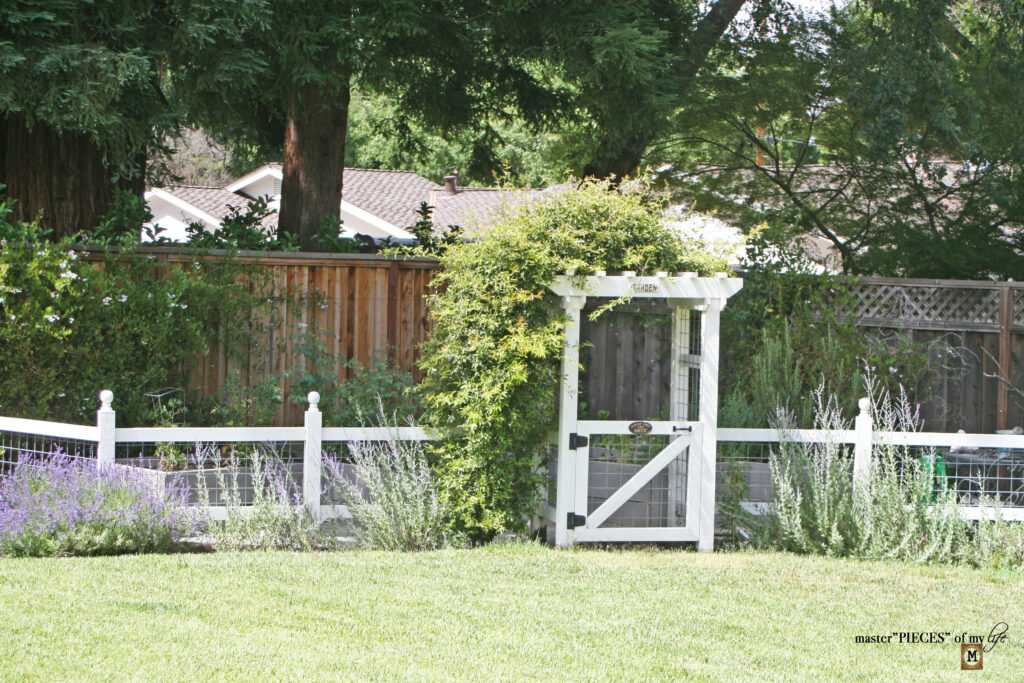
You don’t need a French château or acres of land to create your own potager kitchen garden. With thoughtful planning, a handful of well-chosen plants, and an eye for design, you can bring the spirit of the potager to any outdoor space — whether that’s a sprawling rural backyard, a modest suburban plot, or even a sunny patio filled with containers. You do you and enjoy the inspiration behind the potager philosophy.
Thanks for dropping by today and I’ll meet you in the garden. Looking forward to next time.
Au Revoir!

FAQs
1. How much space do I need for a potager garden?
A potager garden can be scaled to almost any size. A classic formal potager might cover several hundred square feet with multiple symmetrical beds and wide pathways, but a charming and functional version can be created in as little as 100–150 square feet — roughly a 10×15 foot plot. The most important factor isn’t size, but design intention.
2. Is a potager garden expensive to create?
The cost of a potager garden varies widely depending on your materials and ambitions. A simple beginner potager using basic raised bed lumber, gravel pathways, and seeds can be created for as little as $200–$500. A more elaborate version with stone edging, topiary plants, a decorative focal point, and premium soil can run $1,000–$3,000 or more.
3. Can I grow a potager garden in containers?
Absolutely! A container potager is a wonderful option for those with a patio, balcony, courtyard, or very small yard. The key is to apply the same design principles of a traditional potager — symmetry, layering, and mixing edibles with ornamentals — just on a smaller scale.
Shop the Look
- This is a comprehensive drip irrigation system kit.
- This is a good herb planting kit.
- This looks like a great greens seeds mix.
- This tomato seed collection looks amazing.
- If you’re just starting out with gardening or need to replace your tools this is a great kit.
- If you want to start from seed inside, these peat pots are a good choice and so are these.
- These raised beds would be great for a patio or smaller space.
- I love the galvanized raised bed look and I would consider it if we were just building our garden.
- I love the cottage vibes of these raised beds.
- These bamboo garden cages are calling my name.

Don’t forget to Pin It and save for later. You never know when inspiration will strike!
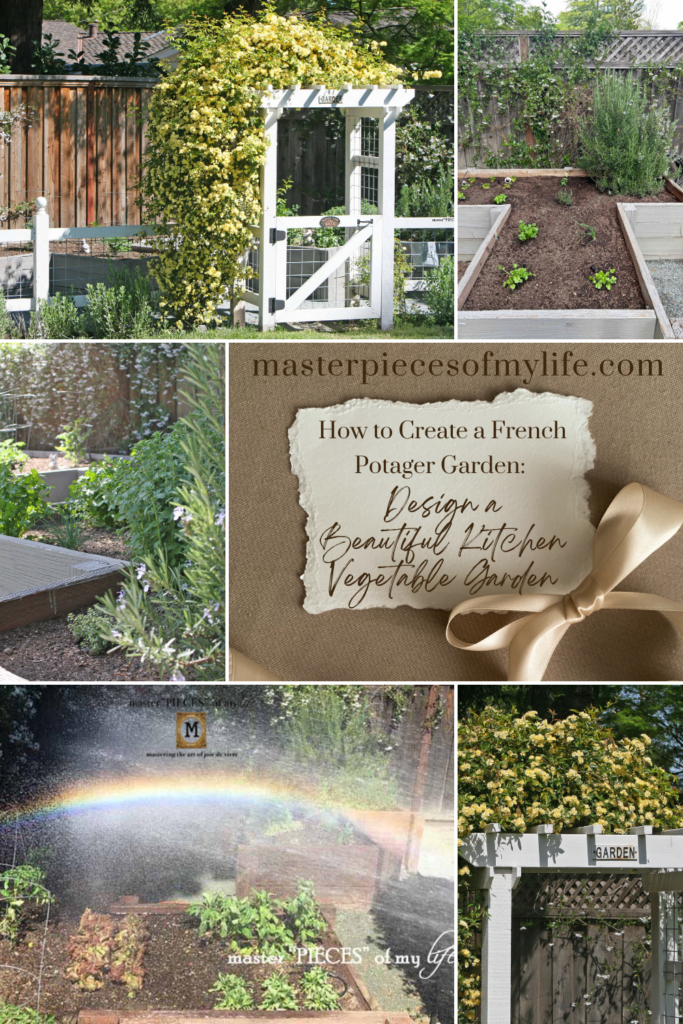
For more inspiration follow me on Pinterest.

More Related Posts
Most Recent Posts

A garden is a grand teacher. It teaches patience and careful watchfulness; it teaches industry and thrift; above all it teaches entire trust.”
Gertrude Jekyll

Great post MaryJo! Lots of information. I miss having a big garden sometimes. You’ve inspired me to grow some herbs when were in the Bay Area this summer! 🙂 Susan
Yes a garden is fabulous but it is work. So it’s a trade off. Yes girl! Herbs are perfect for containers, either inside or out. XO- MJ
Beyond beautiful!! I had no idea what portager meant! I love your reasons for gardening as well, this is full of life!!
Thank you baby girl. You are my life!!! XOXO
Your garden is stunning! This was my dream garden, but I moved to an area where my yard is very small. I do have my garden, but in a mini version. Just lovely!
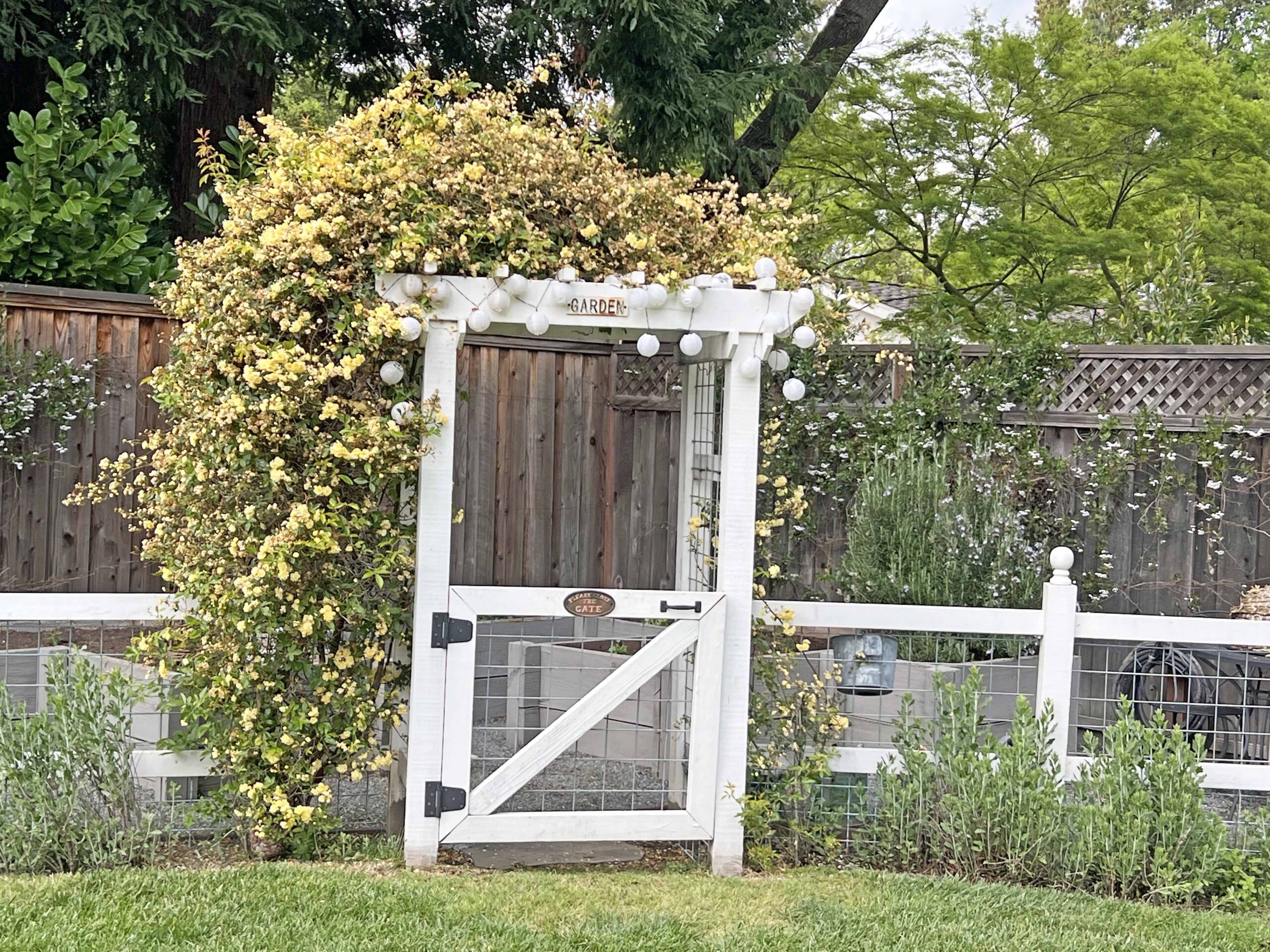
MaryJo, your potager garden is lovely!!! I love that you have a gate and hopefully no critters get in there and eat everything. I think we have a fat raccoon coming around (big droppings, like the size of a dog) who enjoys our lettuce and ate off the tops of the potatoes I had planted. I netted everything and they are coming back, but MAN! I was just going to go pick off a bunch of romaine leaves for dinner… waaaa!
Anyway, I’m glad you are enjoying your potager garden. Our greenhouse veggies and fruits are growing well despite the critters. 😉 I need to get more rosemary and some thyme to plant in one of the beds and my basil overwintered! It also rooted itself and now there are multiple plants. Didn’t know it could do that! 😀
Happily sharing at SYS #494 for you,
Hugs,
Barb 🙂
Thanks so much Barb! We are lucky not to have intrusive critters. I remember when we lived back east it was more of a concern. Regardless, a garden is so rewarding. XO- MJ