


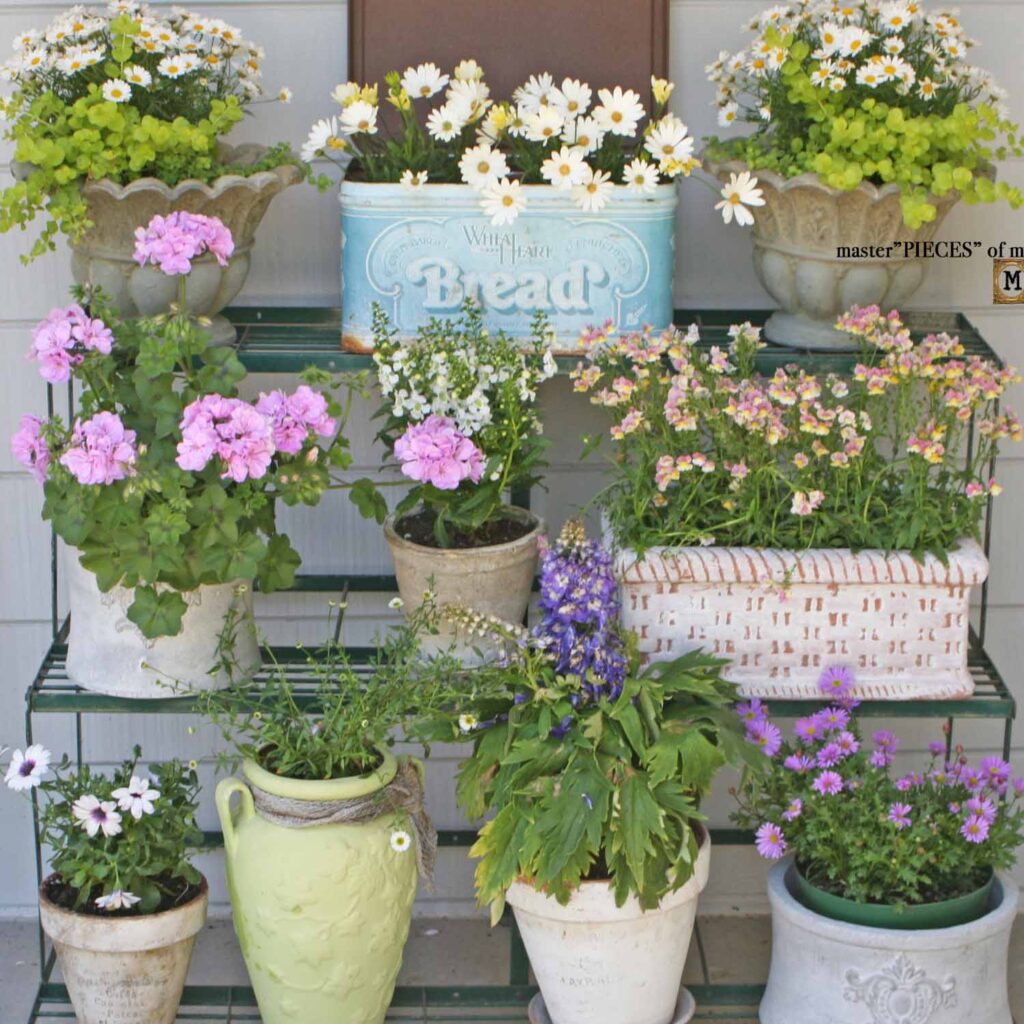
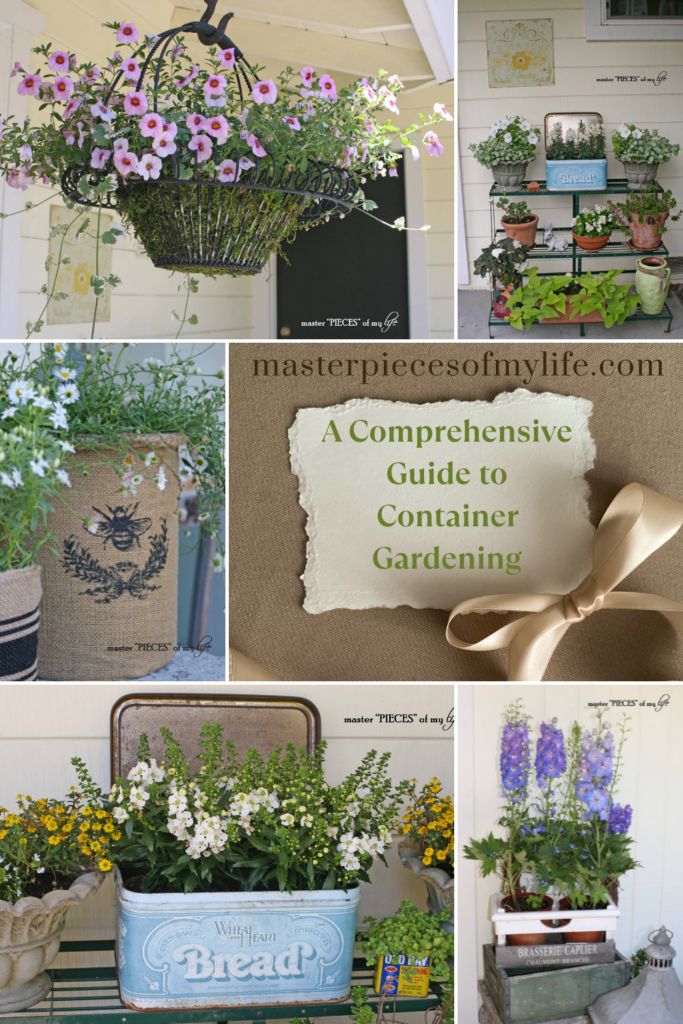
Do you know the best kept secret in gardening? Container gardening is fun, easy and rewarding without the huge, permanent commitment of landscape design. Discover everything you need to know about container gardening, from choosing the right pots and soil to watering schedules and plant selection in this comprehensive guide.

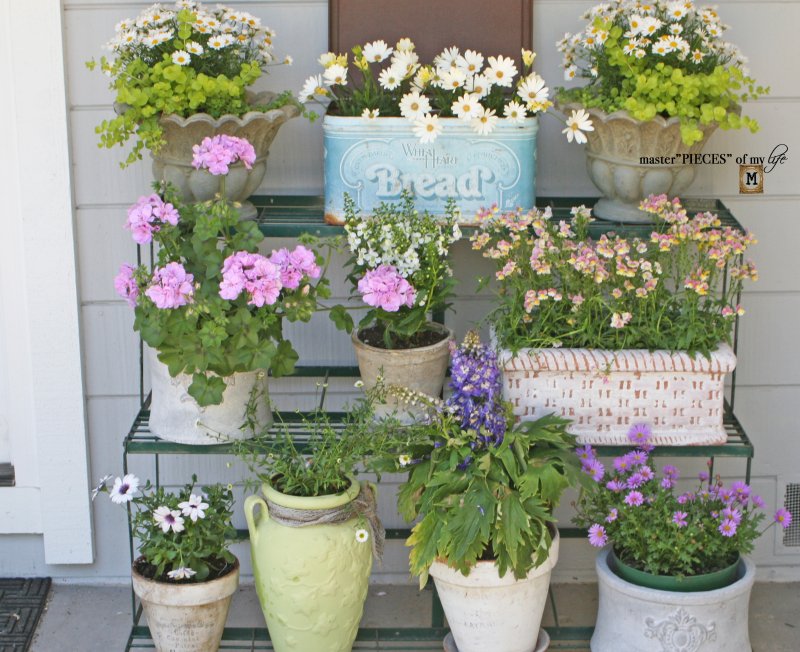
Container gardening is a great way to exercise your green thumb whether you live in a home with a yard, a condo with a patio, or an apartment with a balcony. In this container gardening 101 guide learn how to grow plants in planters. Regardless if you’re a beginner or advanced gardener there’s something here for everyone. Let’s dig deep.

Key Takeaways
Comprehensive Container Gardening Guide
> Container gardens are easy and economical compared to traditional gardening
> The benefits, how-to and maintenance of container gardening explained
> Creative container ideas and how to make your own
*Affiliate links might be included for your convenience. These affiliate links mean a small commission is earned if you make a purchase using these links at no extra cost to you. As an Amazon Associate I earn from qualifying purchases which support this website. For more information: Full Disclosure Policy.
What is Container Gardening?
Container gardening involves growing plants, whether flowers, vegetables, herbs, etc., in a planter rather than in the ground. Container gardening is a creative process from the vessel selection to the plant variety to the placement of the container.

Why Plant Containers?
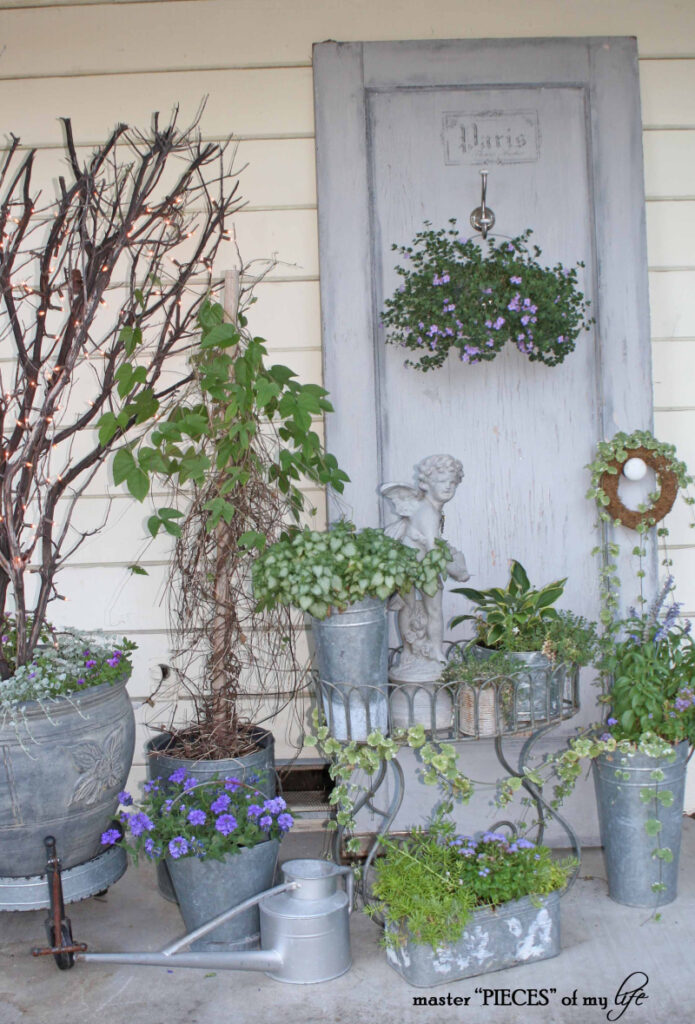
Planting in containers rather than in the ground affords versatility, variety and volume. It is highly customizable, perfect for any space, including patios, porches, decks, balconies, and terraces, which allows for easy control over soil quality and sun exposure unlike landscape planting.

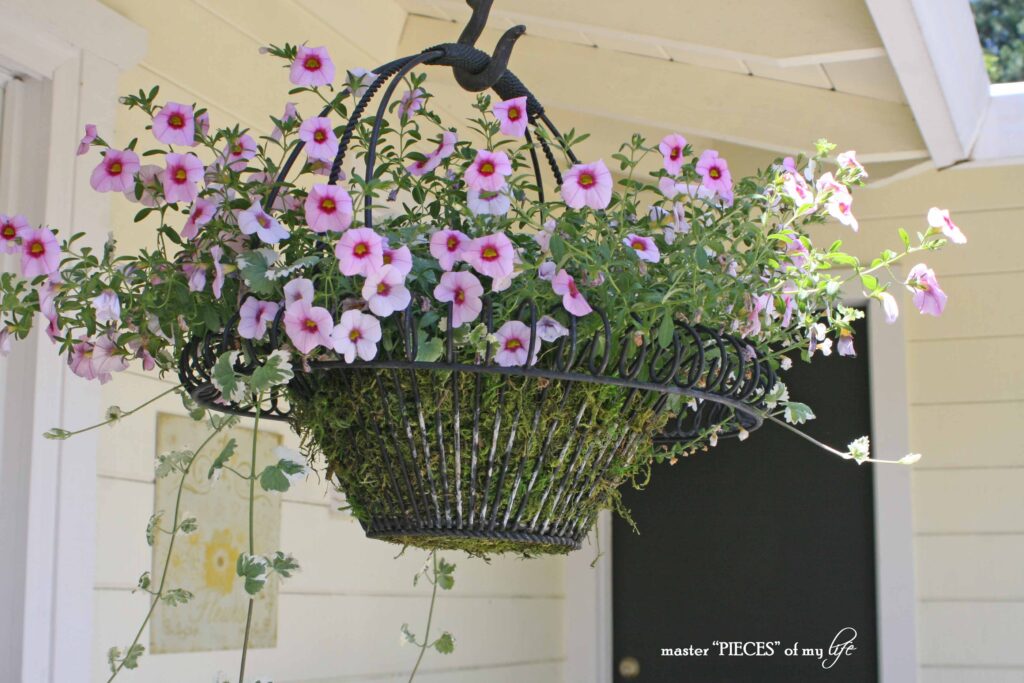

MJ Gardening Pro Tip:
Since containers can readily be moved around (if not too heavy), sun exposure and frost protection can be controlled much easier with planters.
How to Plant Container Gardens
Container Selection
There are a few factors to keep mind when selecting the proper vessel for container garden. The material, size and style are all key factors. Some materials are more porous like terra cotta, which dries out faster but breathes well, versus plastic or resin, which retains moisture longer. Also make sure the size can accommodate the plant and not outgrow it too quickly. Finally the style is the funnest part where you want the aesthetic to fit your style. Think galvanized tubs for a farmhouse feel and bright glazes for a modern look.
Proper Drainage
Drainage is crucial in container gardening. The proper drainage will prevent root rot and avoid the plants from capturing too much water and drowning. It’s a good idea to include a shard of terra cotta on prebuilt drainage holes to prevent dirt from escaping. If your planter doesn’t contain a built in drainage hole, you can always drill one into the bottom of the pot.
Potting Mix
In order for container gardens to thrive, the proper soil conditions are necessary. A lightweight, well-draining mix specifically labeled for containers or potting, which often contains peat moss or coconut coir, perlite, and compost, are best suited. Avoid straight garden soil or topsoil, which compacts and drains poorly in pots.
Plant Varieties
Many plant varieties can be planted up in pots, including foliage, flowers, vegetables, herbs, fruits, ornamental grasses and dwarf varieties of trees and shrubs. Always read any space allotments on the specimen tag or seek guidance from experts at garden centers and nurseries if unsure.
Suitable Placement
Just like in ground plants the proper placement is important. The advantage with containers is that they can be moved to chase the sun, escape frost or avoid pests.

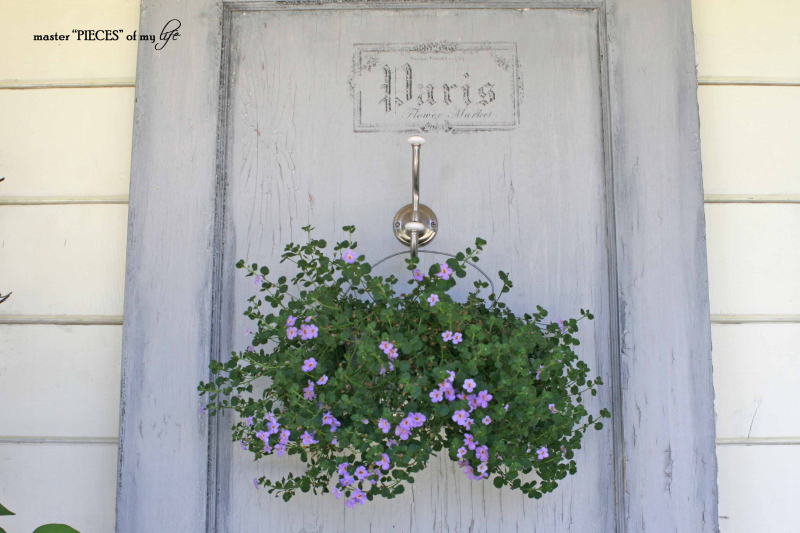
Sometimes one variety of flower or plant is planted singly in a container or sometimes a few are clustered together in one container. When we plant a variety in a container we try to make it an odd number, which is usually three different plants or flowers, keeping in mind different textures, colors, and heights to make the composition interesting. The thriller, filler, spiller philosophy is always a good tip.
MJ Insider Garden Tip
Local nurseries and garden centers will only have varieties, which can grow in your area. If you’re buying seeds from a catalog or mail order, make sure to confirm varieties can grow in your garden zone.
What to Plant In Your Containers
Annuals vs Perennials
Annuals are a good choices for containers since they usually contain shallower roots. Unfortunately, annuals only last one season though and would need to be replanted the following year. On the other hand, perennials establish long-term roots and return every year, when maintained properly. Perennials are better suited for larger vessels. Keep all of this in mind when making your selections.
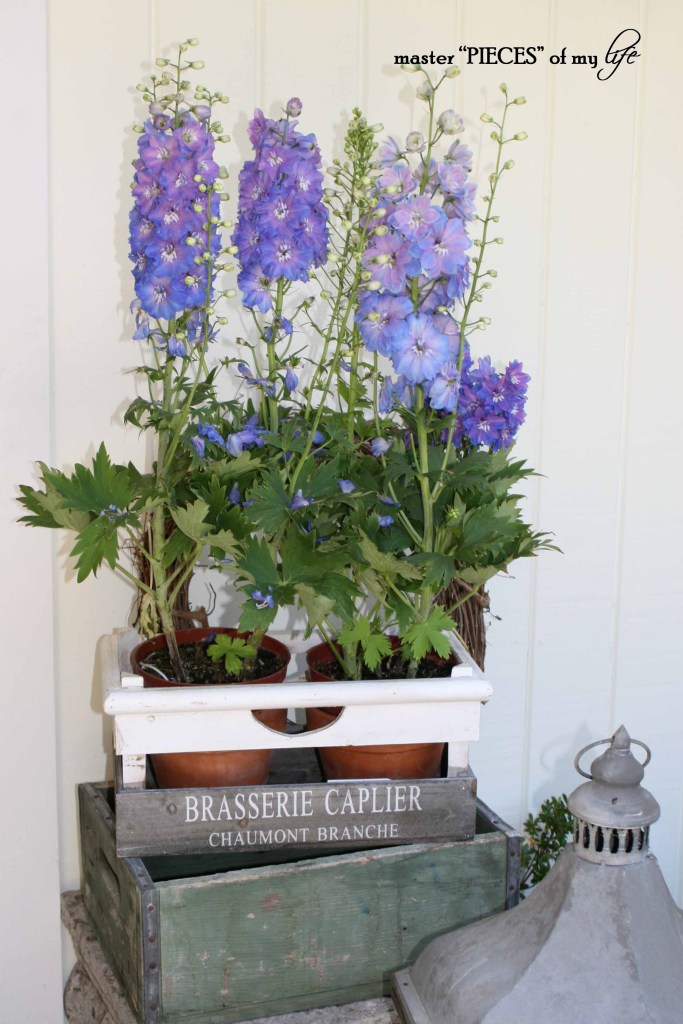
MJ Insider Garden Tip
Experiment and plant a new variety each season. We have discovered some new specimens this way, as well as eliminated what doesn’t work for us.
Maintenance Guidelines for Container Gardens
Container gardens require proper maintenance in order to thrive. Regular watering, fertilizing and pruning will keep containers looking their best. Keep in mind containers require more upkeep in this department than in ground gardens. A key point for container gardening is that watering is more frequent than in-ground gardens. Containers dry out faster due to increased exposure to air and heat; check soil moisture daily in warm weather. Consequently, nutrients leach out with each watering, so container plants typically need more frequent feeding than in-ground plants. A good rule of thumb is to feed your container gardens every 2-4 weeks with a balanced fertilizer.
Container gardening only requires a few basic tools. A hand trowel, pruning sheers and watering can should suffice to plant and maintain a thriving container garden.
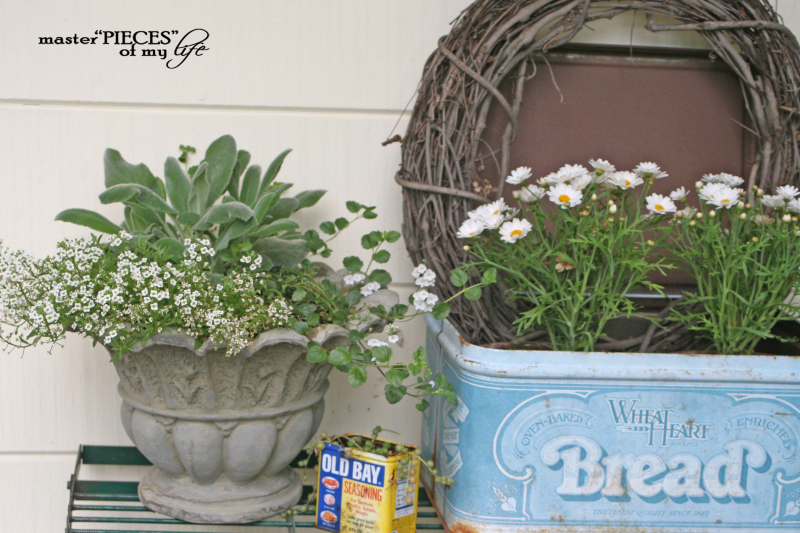
Container Options
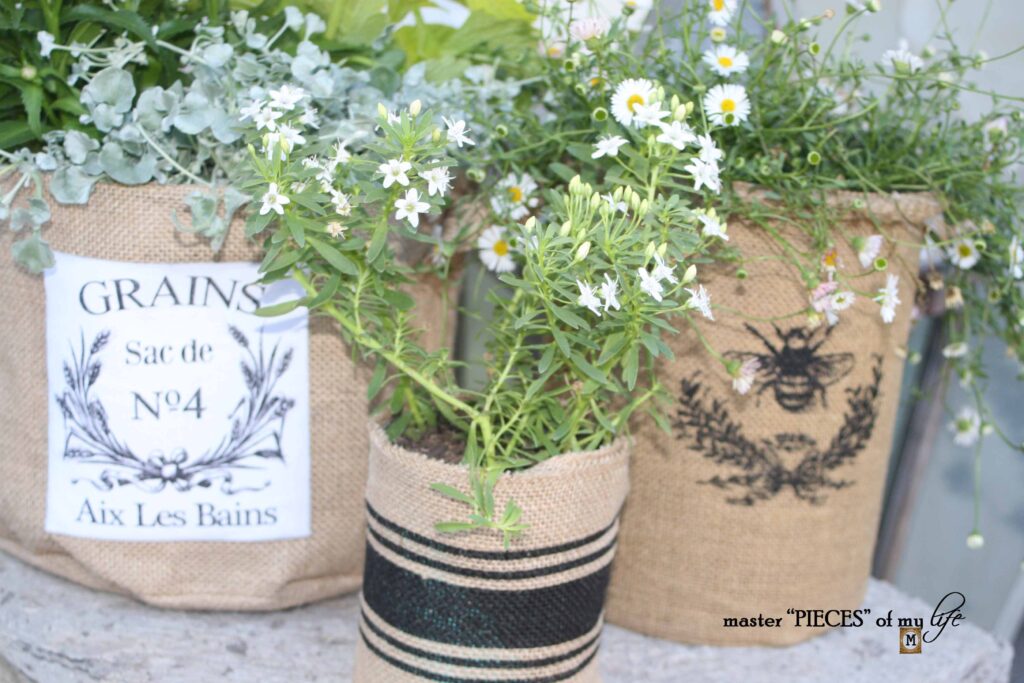
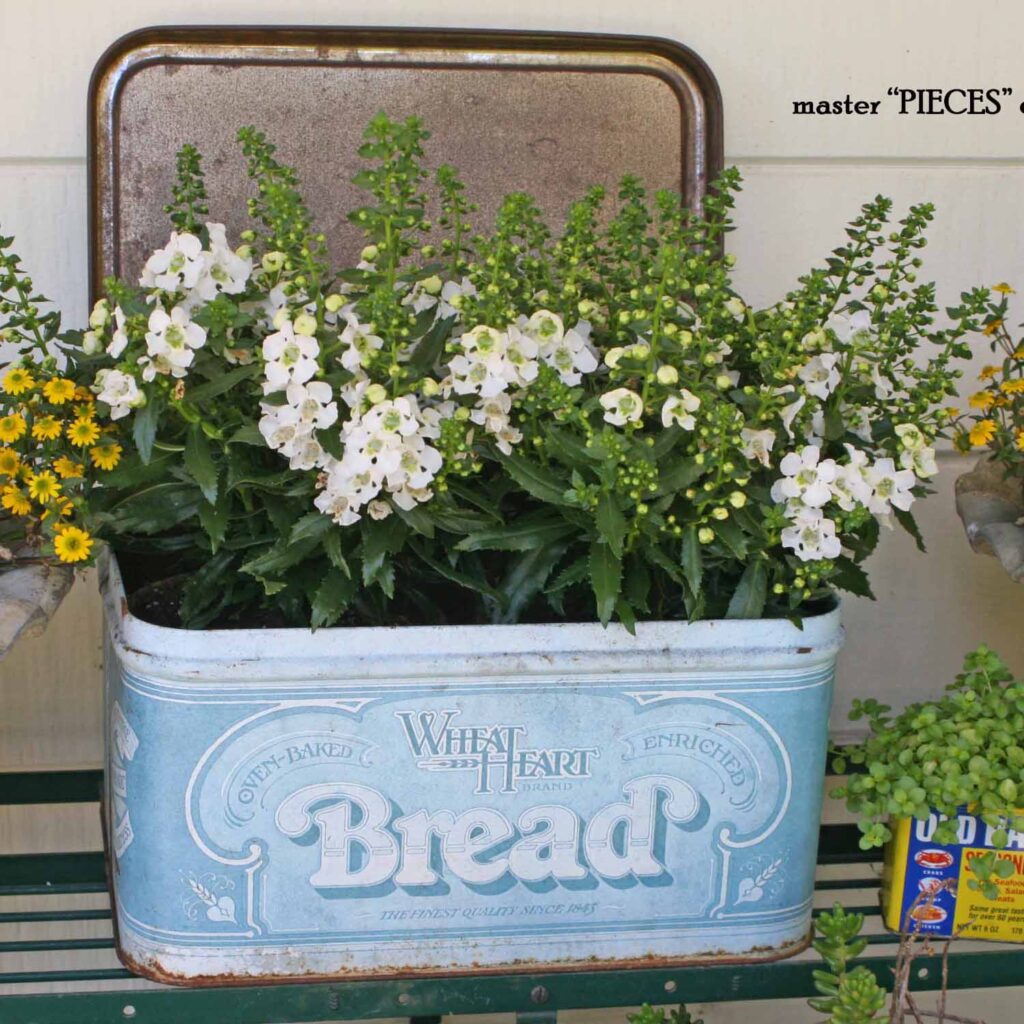
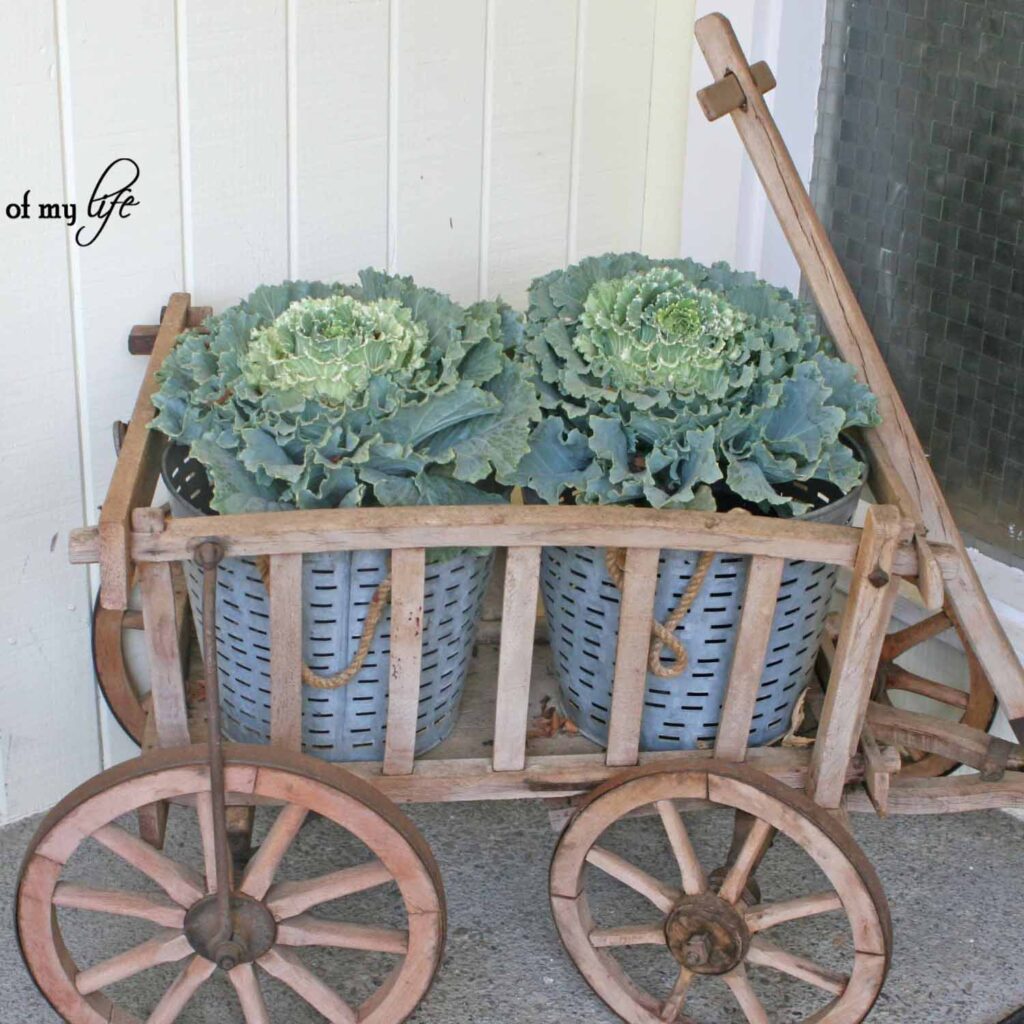
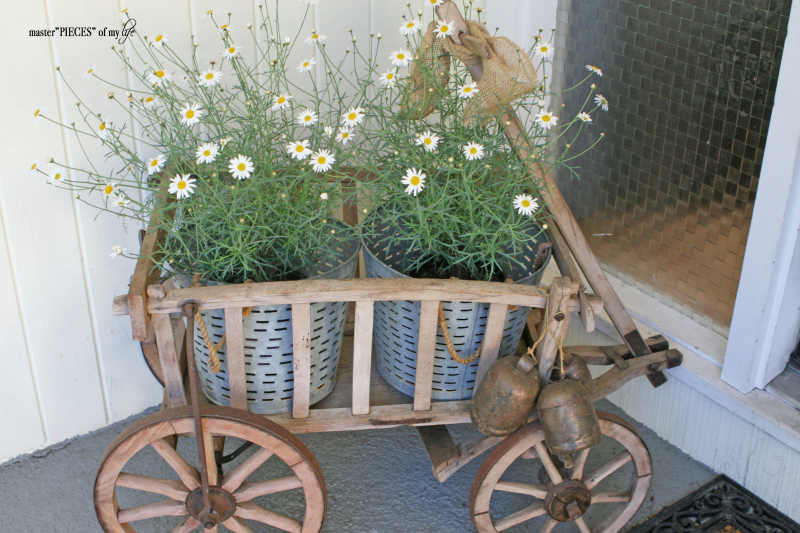
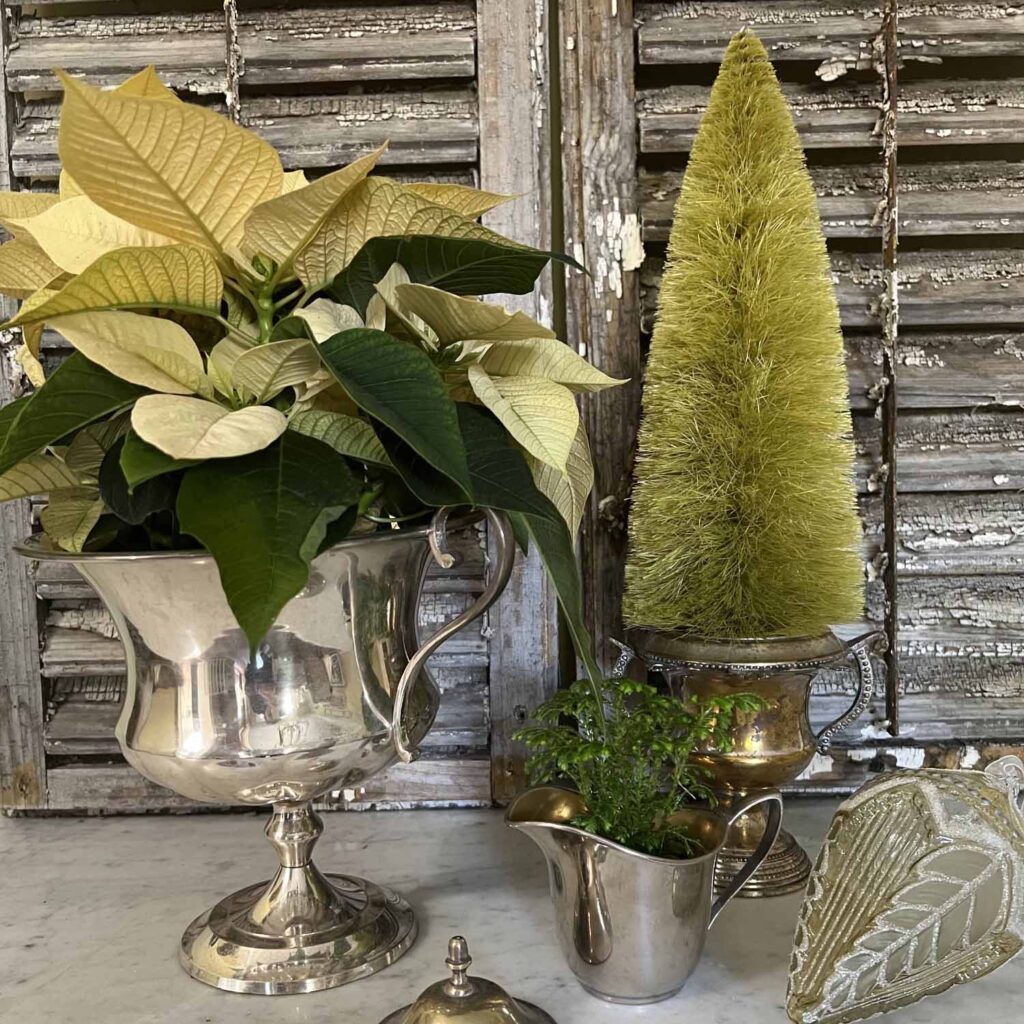
There is an incredible selection of planters to use, including terra cotta, ceramic, metal, resin, fiberglass, wood and the list goes on. Besides traditional planters you can also customize and DIY your own for a particular look and feel. Besides DIYing your own containers, you can also repurpose unconventional vessels to use for container gardening. All these options will create a unique look for your gardens. If this is something that interests you, you’ll find the following article useful:
Although not necessary, saucers help catch excess water and protect surfaces like decks or windowsills. If you do use a saucer make sure to empty standing water after watering to prevent root rot and mosquito breeding.

Grab a copy of my free
Vintage Home
Decor Guide
This guide provides 10 easy ideas to add timeless charm to your home with a free PDF full of images and inspiration.
We are always striving to master the art of joie de vivre around here. If you enjoy the good life and want a reflection of this in your home, please consider joining the Masterpiece community. Sign up you won’t miss any new content, receiving all new posts directly into your in-box.
More Container Gardening Related Posts


Closing Thoughts ~ Container Gardening Guide Conclusion
Whether you’re an apartment dweller craving fresh herbs, a renter who can’t dig up the yard, or an experienced gardener looking to extend your growing season, container gardening adapts to your space and your goals. I hope this inspires you to plant some pots around your home. Gardening is therapeutic, rewarding and improves our living spaces.
Are you a container gardener? Let me know in the comments below. Thanks for dropping by today and can’t wait to see you next time.
Au Revoir!



FAQs ~ Container Gardening Comprehensive Guide
Q1. What’s the best potting mix for containers?
A1. A lightweight, well-draining mix specifically labeled for containers or potting is ideal. Often containing peat moss or coconut coir, perlite, and compost provides a healthy environment for container gardens. Avoid straight garden soil or topsoil, which compacts and drains poorly in pots.
Q2. How often should I water container plants?
A2. It depends on the plant, container size, material, and climate, but as a general rule, check the top inch of soil daily during warm months — if it’s dry, water thoroughly until it drains from the bottom. Small pots and hot, sunny locations may need daily watering.
Q3. Can container gardens be grown indoors?
A4. Yes, as long as plants receive adequate light, either from a sunny window (south-facing is ideal in the Northern Hemisphere) or supplemental grow lights, especially for fruiting plants that need higher light levels.
Q4. Do containers need to be placed on a saucer or tray?
A4. Saucers help catch excess water and protect surfaces like decks or windowsills, but be sure to empty standing water after watering to prevent root rot and pest breeding.
Q5. When should I repot a container plant?
A5. Repot when roots start growing out of drainage holes, growth slows despite good care, or the plant becomes top-heavy relative to its pot — typically every 1-2 years for perennials, or when moving up to accommodate a growing plant’s root system.
Shop the Container Garden Look
- 8 Inch Clay Pot for Plant with Saucer
- Garden Large Urn Planter – 14″ Dia x 16.5″ H Lightweight Magnesium Oxide Plant Pot
- Classic Home & Garden Wood Window Box
- Lattice Design Outdoor Planter Box – 14.75” Square
- Garden Wooden Decor Rustic Flower Pot Wagon
- Classic Traditional Plastic Urn Planter Indoor/Outdoor, 15″ x 13
- 9.25″ Round Sandstone Hobnail Planter with Distressed Finish, Greige
- Whiskey Barrel Planter, 20.5″, Distressed Oak
- Wall Hanging Planter Basket with Fabric Liner, Antique Victoria Style Cast Iron
- Vintage Wall Hanging Planter with Embossed Pattern, 22 Inch Rustic Distressed Iron
- Metal Plant Stand Outdoor Plant Shelf
- Vintage Cast Iron 4-Tier Plant Stand
- 1 Gallon Metal Watering Can with Removable Spout
- Gardening Tool Kit

Don’t forget to Pin It and save for later. You never know when inspiration will strike!
For more inspiration follow me on Pinterest.
Most Recent Posts

In his garden, every man may be his own artist without apology or explanation.”
Louise Beebe Wilder